Song Meaning
The lyrics invoke a powerful sense of lineage and spiritual calling, directly referencing "filho de Gandhi" (son of Gandhi), "filha de Gandhi" (daughter of Gandhi), and their descendants. This establishes an immediate connection to a legacy of peace and perhaps a spiritual path, setting a tone of reverence and seeking.
The central tension appears to be a plea for salvation or intervention, articulated through repeated calls to "Agô do pé" and "Venha me salvar" (Come save me). The narrator identifies strongly with being a "filho de Gandhi," suggesting that this heritage is both a source of strength and a reason for needing divine or ancestral help.
The repeated phrase "Agô do pé" is a key element, appearing frequently and seemingly acting as a spiritual invocation or a request for grounding and protection. The inclusion of "meu pai Xangô" and "obaketô" further deepens this spiritual context, referencing specific Yoruba deities and spiritual roles, reinforcing the plea for salvation within a rich cultural and religious framework.
This lyrical structure creates an effect of urgent, layered prayer. The repetition of the Gandhi lineage and the "Agô do pé" phrase builds a powerful, almost hypnotic rhythm, emphasizing the narrator's deep connection to their heritage and their desperate need for spiritual assistance.
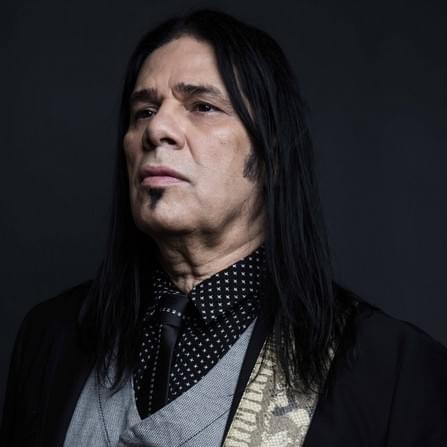
 View Artist