Song Meaning
The narrator grapples with a profound sense of loss and helplessness, believing a specific person held the key to understanding and salvation. The initial hope that this person would be 'the one' who 'always understand' has dissolved, leaving the narrator feeling emasculated and adrift. This personal failing is directly linked to a pervasive darkness, as 'everything's turning to night.'
The core tension arises from a desperate plea for rescue juxtaposed with self-condemnation. The narrator admits to being a 'liar' and a 'story half untold,' suggesting a deep internal conflict and a potential betrayal of trust. This self-awareness fuels the plea for the other person's 'fire' to 'save my soul,' yet it's immediately followed by an accusation: 'Must you steal all of my rights?' This creates a complex dynamic where the narrator seeks salvation from the very person they might have wronged or feel unjustly treated by.
The most striking craft element is the recurring, stark imagery of encroaching darkness. The phrase 'everything's turning to night' evolves from a statement of personal decline in the first verse to a declaration that 'my whole world is night' by the third. This isn't just a mood; it’s a literalization of the narrator's internal state, where hope and understanding are extinguished. The repetition of 'I'm a man but I've lost my bite' underscores a loss of agency and power, amplifying the feeling of being overwhelmed by this encroaching night.
Ultimately, the lyrics resonate because they capture the raw vulnerability of feeling utterly lost and powerless, even while wrestling with personal flaws. The narrator’s desperate hope for external salvation, tangled with their own perceived failings and a sense of injustice, creates a poignant portrait of despair. The simple, direct language and the escalating darkness effectively convey a soul-crushing descent into hopelessness.
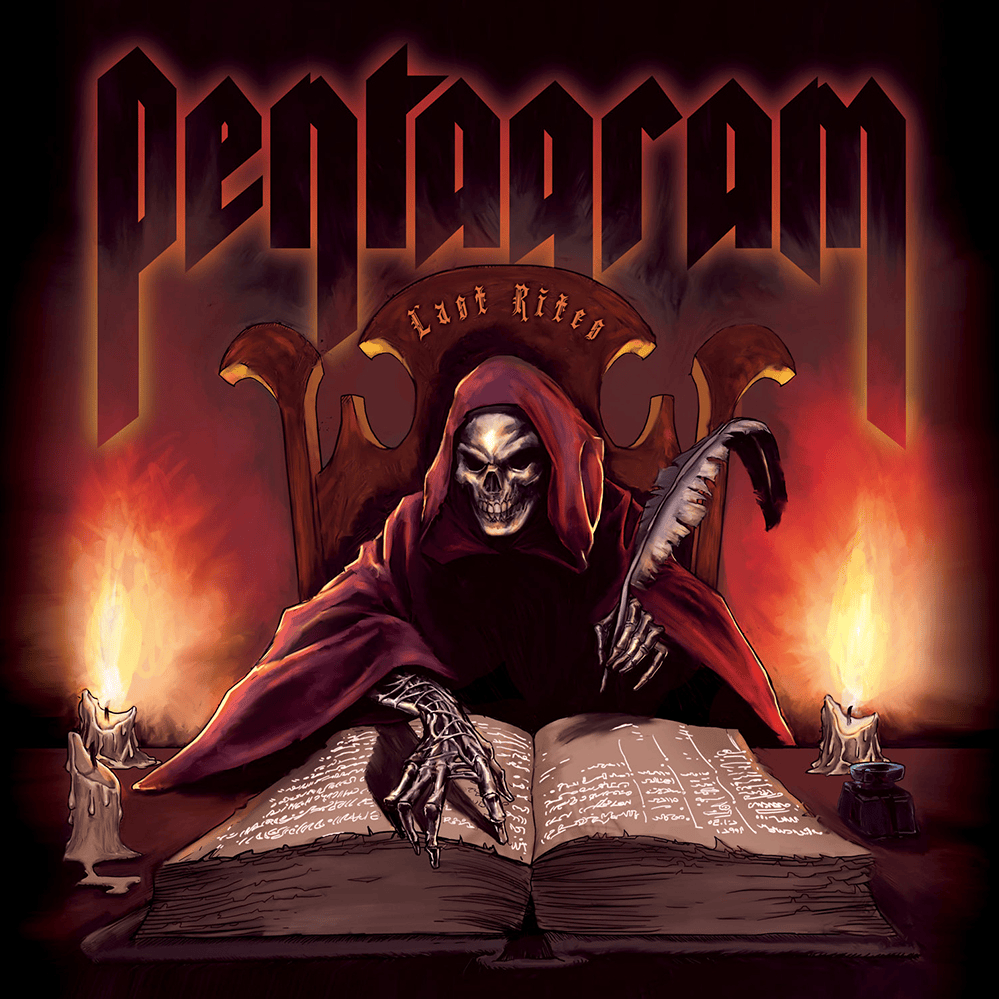
 View Artist