Song Meaning
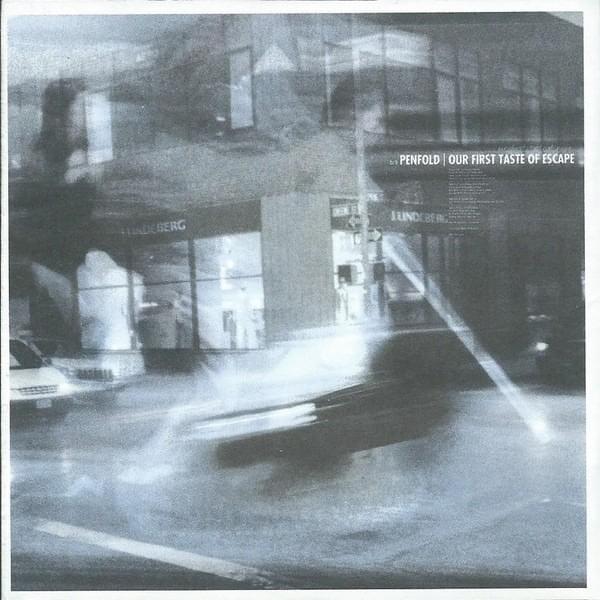
The lyrics paint a picture of anxious stasis, a journey stalled under a darkening sky. Questions like "Are we there yet?" and "Why aren't we moving?" establish a palpable sense of frustration and uncertainty about progress. The narrator seems trapped in a liminal space, questioning the very act of moving forward while simultaneously fearing they might have already gone too far.
The central tension lies in the conflict between the desire for arrival and the fear of the unknown destination or the irreversible nature of their current path. The repeated inquiries about turning back and the plea "Can we make mistakes?" suggest a deep-seated anxiety about agency and consequence. This feeling is amplified by the surreal imagery of "swimming past the dead who are long gone but still begging for dreams," which blurs the line between a physical journey and a descent into a more existential or psychological landscape.
The most striking craft element is the juxtaposition of mundane travel anxieties with profound existential dread. The initial questions about driving and speed are grounded, but they quickly morph into a desperate plea in the face of overwhelming, almost spectral forces. The line "save my voice but forget about me" is particularly potent, indicating a desire for a legacy of expression even if personal identity is lost in the process. The brief, almost whispered interjections like "It's alright" and "You're so right" offer a fleeting, perhaps ironic, counterpoint to the narrator's overwhelming fear.
These lyrics resonate because they tap into a universal feeling of being stuck, of questioning choices made, and of facing an uncertain future with a mixture of dread and a faint hope for resolution. The writing effectively uses the metaphor of a stalled journey to explore a more internal struggle, making the listener feel the weight of indecision and the fear of irreversible commitment, even as the destination remains unclear.
 View Artist