Song Meaning
The lyrics paint a picture of someone observing a loved one navigating a period of significant personal change. There's an initial sense of relief and approval, "Nice to see you change your mind," as the subject seems to be embracing a new perspective or shedding old habits. This is framed by imagery of "collect[ing] the morning light" and trying to "realign / All the edges of your life," suggesting a deliberate, almost architectural effort to reshape their existence. The tone is one of gentle observation, tinged with a quiet understanding of the struggle involved.
The core tension lies in the contrast between the desire for control and the reality of emotional flux. The narrator identifies "the ways we feign control" as being "pulsing underneath each day," a subtle but constant undercurrent. This is directly juxtaposed with the "doubt and comfort undulate / In rotation through a coil," a powerful metaphor for the cyclical, often unpredictable nature of emotional states. It implies that true stability is elusive, and these opposing feelings are part of a continuous, internal mechanism.
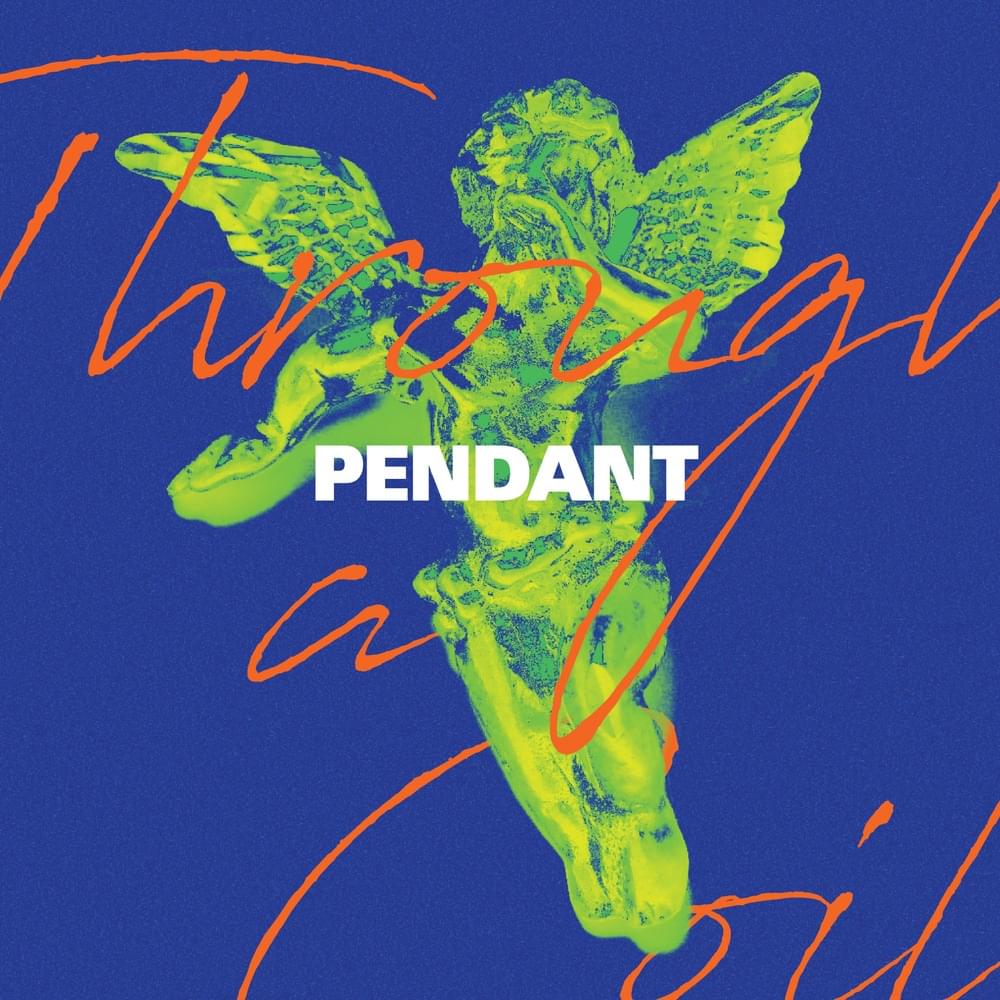
The phrase "in rotation through a coil" is the most striking piece of craft, appearing multiple times to anchor the song's central theme. It evokes a sense of being caught in a loop, a spiraling mechanism where feelings and experiences repeat. This is reinforced by the image of crying "inside the car" while holding onto past intentions, and the poignant acknowledgment of "the lives we never live / And the ones we have to come." The narrator and subject seem to be experiencing this cycle together, singing and weeping "concurrently."
Ultimately, the effectiveness of these lyrics stems from their grounded, yet poetic, depiction of internal struggle. The narrator’s quiet affirmation, especially in the final lines, "Nice to see you realize / You are constantly alive," offers a profound sense of acceptance. It suggests that even amidst the doubt and the unlived lives, the simple fact of being alive, of moving through the coil, is a form of realization and perhaps even grace.
 View Artist