Song Meaning
This song paints a raw picture of heartbreak, where the narrator's emotions are so overwhelming they feel physically destructive. Tears are described as a "sea" that "burned my face and my whole heart," immediately establishing a tone of intense, almost violent sorrow. The core of the pain seems to stem from the perceived futility of love without the presence of a specific person, as love is reduced to an "empty road" if they aren't there. The narrator fears they'll never reach a shared destination "together, just once."
The central plea is a desperate request for a way to cope with the other person's departure. The narrator begs, "If you want, show me a way / Whenever you leave me to forget that I live." This isn't just about sadness; it's about a desire for emotional numbness, a wish to become "stone, to freeze" and ultimately, "not to love you." The repetition of "show me a way" underscores the narrator's helplessness and the profound difficulty of their situation.
An interesting lyrical choice is the image of a "lock on my lips so I don't tell you / What I think about you on a call." This suggests a struggle between wanting to communicate and the need to suppress feelings, perhaps to avoid further pain or to maintain a fragile status quo. The narrator claims to have "learned too much from too little," implying a deep familiarity with scarcity in this relationship, and now finds that "too much" is unwanted, with "just a moment" beside the other person being sufficient. This contrast between valuing scarcity and fearing abundance highlights a complex emotional dependency.
The effectiveness of these lyrics lies in their visceral imagery and direct emotional appeals. The transformation of tears into a destructive force and the desire to become inanimate "stone" are powerful metaphors for emotional devastation. The simple, repeated plea for a "way" to forget or freeze resonates because it articulates a universal, albeit extreme, response to unbearable loss – the wish to simply stop feeling.
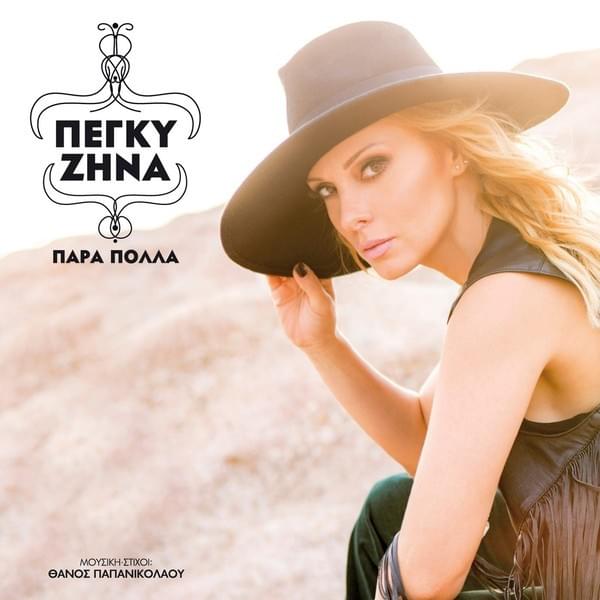
 View Artist