Song Meaning
The lyrics paint a picture of Bethlehem as a town in a deep, quiet slumber, almost unaware of the monumental event unfolding within it. The contrast between the "deep and dreamless sleep" of the town and the "everlasting light" that shines in its "dark streets" immediately sets up a profound tension. This stillness, punctuated only by the passage of "silent stars," makes the arrival of "The hopes and fears of all the years" feel even more significant, suggesting a moment where history and eternity converge.
The central miracle hinges on the birth of Christ, a divine intervention into the ordinary world. While "mortals sleep," celestial beings, the angels, are awake, keeping "watch of wondering love." This highlights a spiritual reality operating beneath the surface of human unawareness. The "morning stars" are called to "proclaim the Holy birth," emphasizing that this event is not just for human eyes but a cosmic announcement, bringing "peace to men on earth."
The final stanza shifts from observation to supplication, directly addressing the "Holy Child." The narrator pleads for the divine to "enter in" and "Be born in us today," transforming the external event into an internal experience. The repetition of "us" underscores a desire for personal connection and spiritual renewal. The call for the Lord, "Emmanuel," to "abide with us" encapsulates the ultimate hope: that this sacred moment isn't confined to a single night in Bethlehem but can be a perpetual presence.
What makes these lyrics so resonant is their ability to juxtapose the mundane stillness of a sleeping town with the extraordinary, world-altering significance of a divine birth. The language evokes a sense of hushed awe, allowing the listener to feel the quiet anticipation and the profound spiritual weight of the moment. The transition from observing the event to actively inviting it into one's own life provides a powerful emotional arc, grounding the cosmic in the personal.
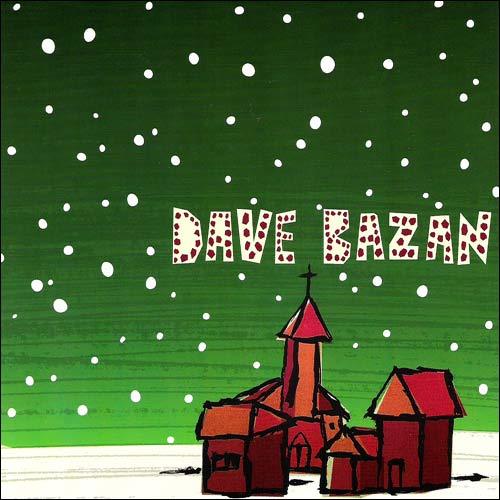
 View Artist