Song Meaning
This is a darkly humorous, almost gleeful ode to preparing fish, delivered with a theatrical, French-accented flair. The narrator, Chef Louis, expresses a passionate, almost obsessive love for fish, not for their life, but for their culinary potential. The opening lines, referencing Parisian landmarks and a classic French entertainer, set a sophisticated, almost whimsical stage for the gruesome details that follow. It's a performance piece, reveling in the act of cooking.
The central tension lies in the stark contrast between the chef's effusive adoration and the violent imagery of preparation. He exclaims "Gosto tanto de vós" (I like you so much) while simultaneously detailing how he discards heads and leaves bones sticking out. This isn't just cooking; it's a culinary dissection, described with a perverse delight. The repetition of "Les poissons, les poissons" underscores this fixation, turning a simple ingredient into an object of intense, almost unsettling focus.
The craft here is in the juxtaposition of refined language and brutal action. Phrases like "Dilacerar a pele" (tear the skin) and "dar-lhe uma facada" (give it a stab) are delivered with the same casual tone as "Esfregar algum sal" (rub some salt). The narrator's mock distress at almost losing a fish, "Zut alors, falta-me este!" (Oh dear, I'm missing this one!), highlights the absurdity and the dark humor. The final farewell, "Toodle-loo, mon poisson, au revoir," is a chillingly polite dismissal of a creature whose demise is the entire point.
What makes these lyrics hit so hard is the sheer, unadulterated enthusiasm for a process that involves destruction. The narrator's joy is infectious, yet deeply unsettling, forcing the listener to confront the often-unseen violence inherent in preparing food. It's a masterclass in using cheerful, almost childlike language to describe something inherently grim, making the culinary act feel like a perverse, delightful game.
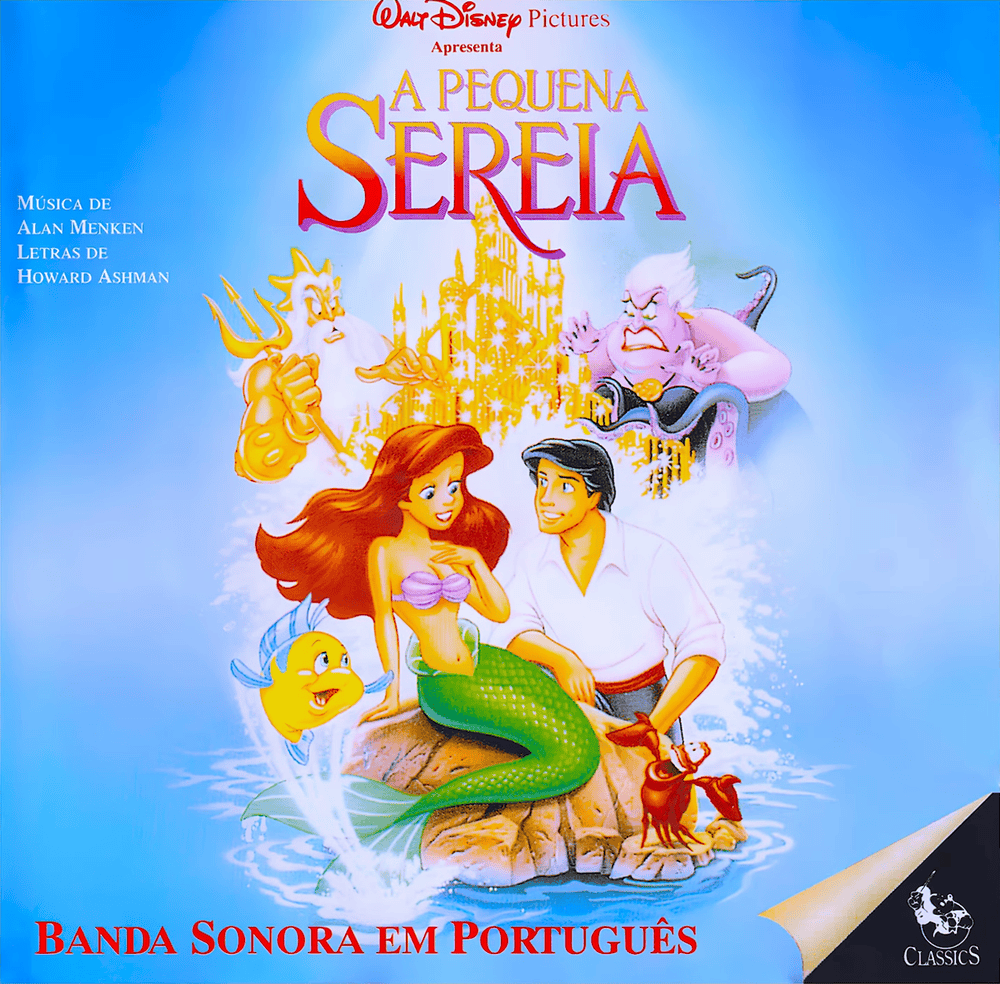
 View Artist