Song Meaning
The lyrics paint a stark portrait of relentless, unacknowledged labor, primarily focused on the repetitive, essential tasks that sustain life and community. The dominant image is the woman, repeatedly described as giving milk to her children, a fundamental act of nurturing that grounds the entire narrative. This core action is juxtaposed with a litany of other duties: cleaning, harvesting, tending flocks, sewing, preparing food, marketing, and carrying water. The sheer volume of these tasks, presented in a steady, almost breathless rhythm, underscores their ceaseless nature.
The central tension arises from the quiet, almost invisible dedication to these duties against the implied lack of recognition or respite. Phrases like "Limpian suelos de rodillas" (cleaning floors on their knees) and "Manos secas de agarrar" (hands dry from gripping) evoke a physical toll, suggesting a life of hard, often thankless work. The repetition of "Dan de mamar a / Sus hijos" acts as both a refrain and a grounding force, highlighting the maternal core of this labor, yet it also emphasizes the cyclical, unending nature of these responsibilities.
The most striking aspect of the craft is the use of anaphora and cataloging. The phrase "Dan de mamar a / Sus hijos" opens and closes many stanzas, creating a powerful sense of continuity and purpose, but also a feeling of being trapped in a loop of essential caretaking. The rapid-fire listing of verbs – "Limpian, cosechan, guardan, siembran, lavan, zurcen, cortan, cargan, ordeñan, preparan, hacen, traen, cuidan, enseñan, sueñan" – builds a cumulative effect, demonstrating the breadth and depth of these contributions without dwelling on any single one. This technique emphasizes the sheer quantity of work performed, suggesting that the sum of these parts is a life lived in constant motion and service.
Ultimately, the lyrics resonate because they capture the quiet dignity and immense physical and emotional effort embedded in everyday survival and caregiving. The focus on concrete actions and the cyclical repetition of maternal nurturing create a powerful, unadorned testament to the foundational work that often goes unnoticed. It’s a powerful reminder of the constant, vital hum of activity that underpins families and communities, presented with an almost documentary-like clarity that feels both intimate and profoundly significant.
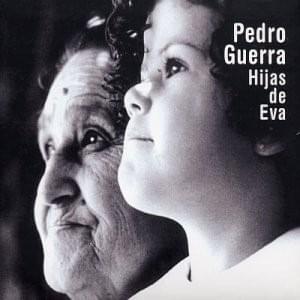
 View Artist