Song Meaning
This track dives headfirst into the grim subject of capital punishment, not with moral outrage, but with a chillingly detached, almost connoisseur's appreciation for its various methods. The opening lines immediately frame the discussion as a matter of personal taste, a bizarrely subjective take on state-sanctioned death. The narrator lists a litany of brutal execution techniques – impalement, stoning, crucifixion, flaying, dismemberment – presenting them with a perverse sense of admiration, as if they were all equally valid, albeit distinct, artistic expressions.
The core of the narrator's peculiar preference emerges with the repeated refrain: "But let me, ay, prefer / The bonfire, the bonfire, the bonfire." This isn't a reasoned argument, but an almost visceral, inexplicable pull towards immolation. The lyrics suggest this preference is rooted in something intangible, a unique quality possessed solely by the pyre, something the narrator can't quite articulate but feels deeply. It’s a fixation that stands apart from any logical or ethical consideration of the act itself.
The subsequent verses detail other execution methods with a similar detached, almost academic tone, highlighting their perceived efficacy or stylistic flair. The firing squad is noted for its efficiency, the garrote for its intimate adjustment of the neck, and the electric chair for its modern, functional American-ness. Even the gas chamber is praised for its capacity with large groups. This detailed cataloging of death, framed through the lens of personal aesthetic, creates a deeply unsettling effect, stripping the violence of its human cost and reducing it to a matter of technique and style.
Ultimately, the lyrics are effective because they create a profound sense of unease through their subversion of expectation. By approaching the death penalty with an almost perverse sense of connoisseurship, the narrator forces the listener to confront the barbarity of these acts through an unexpected, dispassionate lens. The chillingly specific descriptions, coupled with the narrator's inexplicable preference for the bonfire, highlight a disturbing detachment that makes the subject matter all the more impactful and memorable.
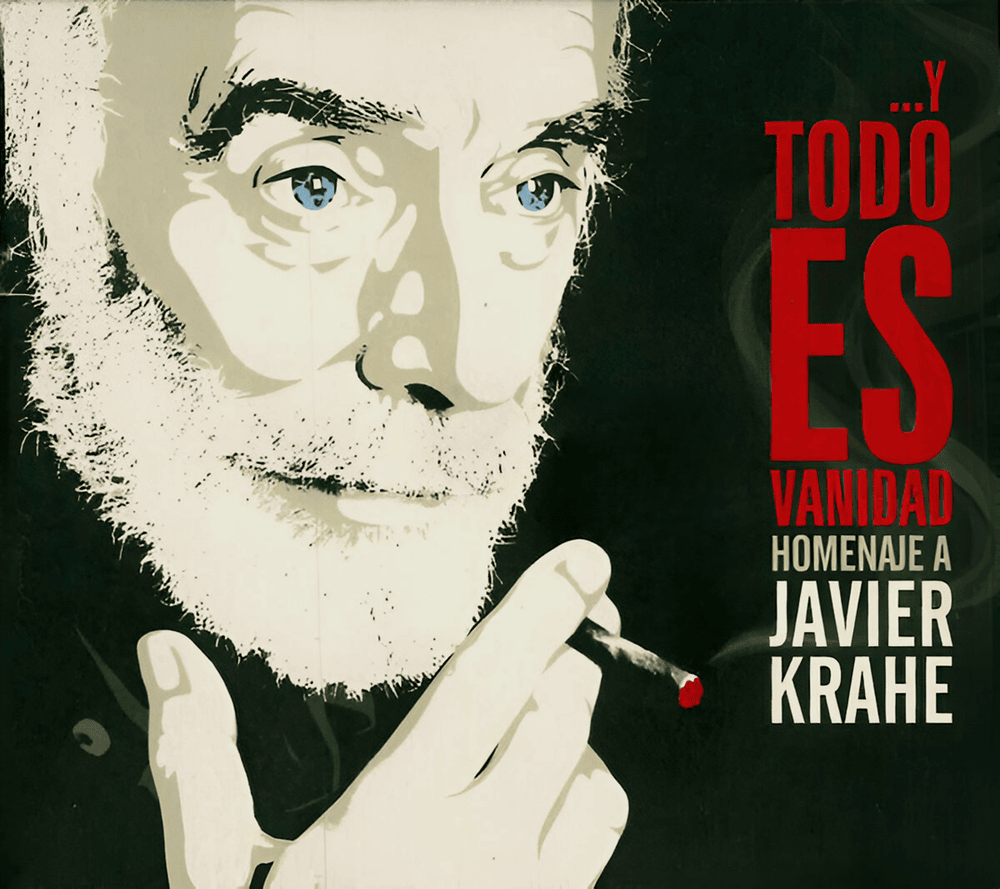
 View Artist