Song Meaning
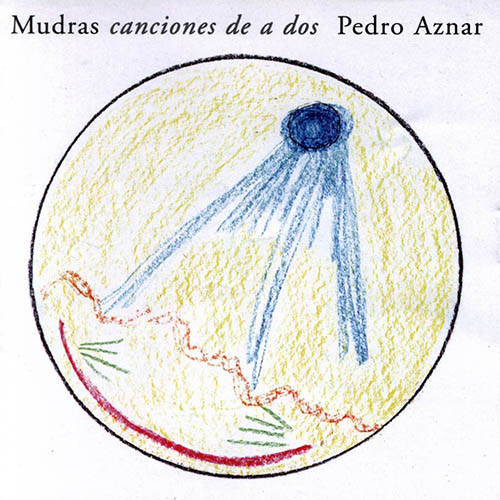
Pedro Aznar's interpretation of twenty one pilots' "Air Catcher" (Tradução em Português) isn't just a translation; it’s a reimagining of its core existential themes. Aznar, a master of sonic landscapes, navigates the original's anxieties with a tranquil, almost meditative approach. The opening lines, urging us to "Turn off your mind, relax and float downstream," immediately recall the Beatles' "Tomorrow Never Knows," positioning the song as an invitation to shed conscious control and embrace the subconscious. This isn't about passive surrender, but rather a deliberate act of accessing deeper truths beyond the chatter of everyday thought. Aznar's version emphasizes the inherent tension between the desire for meaning and the fear of oblivion.
The recurring phrase "It is not dying, It is not dying" serves as a mantra against existential dread. Instead of succumbing to the void, Aznar suggests surrendering to it, finding that "It is shining, it is shining." This light isn't external; it emanates from within, accessible only when we quiet the mind. The translation highlights the interconnectedness of everything: "That love is all and love is everyone." Love, in this context, transcends romantic love; it becomes the fundamental force binding the universe, a realization that dawns only when we transcend ignorance and hate. It's a powerful message, especially in a world saturated with division.
However, Aznar doesn't shy away from the complexities of existence. The lines "But listen to the color of your dreams / It is not living, it is not living" introduce a crucial counterpoint. While surrendering to the subconscious can reveal profound truths, it's not a substitute for lived experience. Dreams, while beautiful, remain detached from reality. The final lines, "Or play the game Existence to the end / Of the beginning, of the beginning," suggest that true understanding comes from actively engaging with life, embracing its challenges and uncertainties. Aznar's translation, therefore, isn't simply about finding peace; it's about finding meaning in the dynamic interplay between inner reflection and external action, a constant cycle of beginning and ending.
 View Artist