Song Meaning
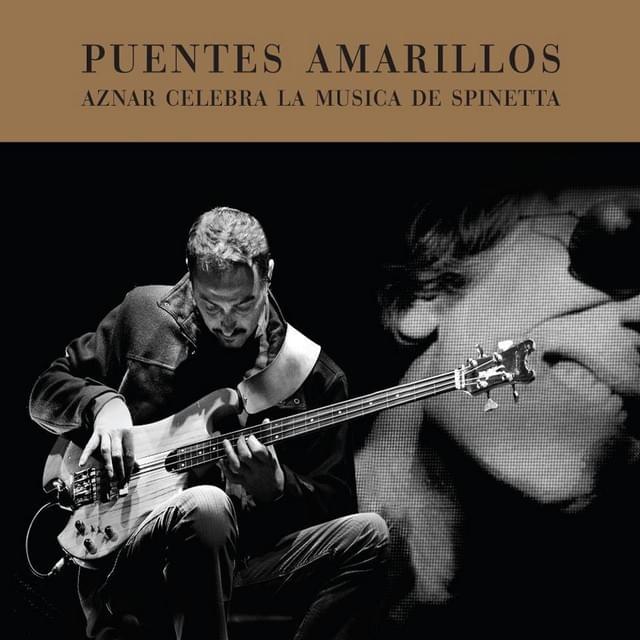
Pedro Aznar's live rendition of "Muchacha, ojos de papel" isn't just a song; it's an intimate, almost desperate plea frozen in time. The song, whose title translates to "Paper-eyed Girl," immediately evokes a sense of fragility and impermanence. The repeated entreaties – "adónde vas?" (where are you going?) and "quédate hasta el alba" (stay until dawn) – paint a portrait of someone on the verge of slipping away, pursued by anxieties we can only guess at. Aznar’s performance amplifies the inherent vulnerability in the lyrics, transforming a simple request into a haunting echo. The girl is perpetually in motion, never quite present.
The metaphors are central to understanding the song's meaning. Describing her as having "ojos de papel" (paper eyes) and a "corazón de tiza" (chalk heart) suggests a delicate, easily erased essence. She's ephemeral, like a sketch that could be wiped away with a touch. The speaker, seemingly captivated by her fleeting beauty, tries to anchor her with promises: dreams, castles built from her very being. These promises are laced with a possessiveness evident in the line "Cuando todo duerma te robare un color" (When everything sleeps, I will steal a color from you), hinting at a desire to capture and preserve what he fears losing.
Ultimately, "Muchacha, ojos de papel" is a study in longing and the fear of transience. The desire to hold onto something beautiful and fleeting is a universal human experience, and Aznar's interpretation heightens the raw emotional core of the composition. The song speaks to the way we often try to freeze moments in time, to protect the delicate things we cherish from the inevitable passage of time and the harshness of the world. The performance itself adds another layer; the live setting emphasizes the vulnerability and immediacy of the plea, making it all the more poignant.
 View Artist