Song Meaning
Pedro Aznar’s "Ella Se Perdió" isn’t just a song; it's a psychological portrait rendered in the minor key. The title, meaning "She Got Lost," hints at a profound disorientation, but the lyrics expose the self-inflicted nature of this wandering. This isn't a tale of external forces leading astray; it’s an exploration of internal missteps and perceptual distortions that create a personal labyrinth. The core of the song meaning revolves around a woman trapped by her own assumptions and flawed interpretations. She anticipates outcomes ("suponía lo que debería pasar"), misreads unspoken cues, and hallucinates threats ("vio fantasmas que no había"), all contributing to her isolation.
The recurring lines "Ella fue y volvió" (She went and returned) suggest a cyclical pattern of misguided attempts and inevitable setbacks. She navigates "caminos ciegos" (blind paths), a metaphor for choices made without clarity or insight, and ultimately, she ends up alone, unwilling to adapt. The bridge, a series of fragmented phrases, highlights the behaviors perpetuating her lost state: dwelling on the past ("En el ayer"), internalizing emotions ("Por guardar dentro de sí"), and fearing vulnerability ("Por no salir, por no perder"). These actions, though seemingly protective, become the very walls of her prison.
Aznar subtly layers a critique of self-deception into the lyrics analysis. The woman's downfall isn't just about being wrong; it's about clinging to flawed perceptions despite evidence to the contrary. She "siempre dijo lo que ella creía / Decía muy mal" (always said what she believed / Said very badly), indicating a disconnect between intention and impact, a common pitfall for those trapped in their own narratives. Ultimately, "Ella Se Perdió" is a cautionary tale about the dangers of unchecked assumptions and the importance of confronting, rather than coddling, one's inner demons. It's a stark reminder that sometimes, the most treacherous paths are the ones we create for ourselves.
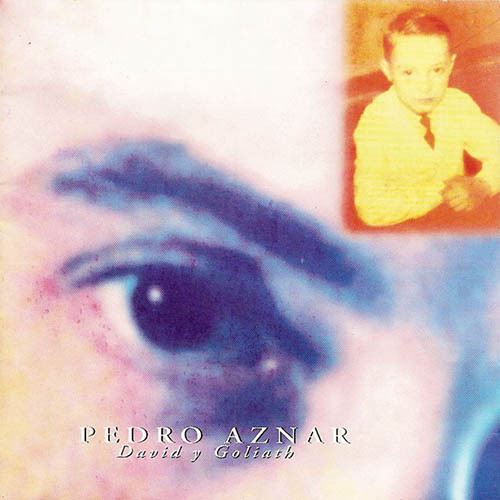
 View Artist