Song Meaning
This track interrogates the mechanics of societal upheaval, posing a series of stark, almost transactional questions about the cost of change. The narrator isn't asking about ideals or passion, but rather the grim, quantifiable metrics of revolution: 'Quantas cabeças de fora / Quantos corpos no porão?' It’s a cynical inventory of human lives and suffering, suggesting that revolutions are measured in casualties and compromised morality, not just abstract ideals. The repeated question, 'Diz-me em quanto tempo / Se faz a revolução,' frames the entire piece as a demand for a brutal, unsentimental accounting.
The central tension lies in the stark contrast between the desire for a 'solução' and the horrifying price tag attached. The lyrics list a grim ledger: 'Quanta coca é vendida / Pelos altos da nação,' 'Quantos crimes redimidos / Pesam na religião?' and 'Quantos novos-pobres faltam / Para fazeres a colecção.' This suggests that societal progress, or revolution, is built on a foundation of corruption, hidden sins, and the exploitation of the vulnerable, all masked by superficial acts like charity ('Quantas esmolas escondem / A ausência do perdão').
The craft here is in the relentless, almost journalistic questioning that strips away any romanticism. The narrator uses a series of parallel interrogatives, each building a picture of systemic rot and moral decay. The phrase 'novos-pobres' (new poor) is particularly striking, implying a manufactured or cyclical poverty that serves some unseen purpose, perhaps a 'colecção' of societal failures. The later questions about 'pastilhas' and the 'preço do silêncio' further emphasize a sense of numbing desperation and the high cost of speaking out or seeking redemption.
Ultimately, the lyrics hit hard because they refuse easy answers, instead forcing a confrontation with the uncomfortable realities that often underpin societal shifts. The demand for a 'solução' feels less like a hopeful plea and more like a desperate, weary demand for an end to the cycle of exploitation and suffering. The song’s power comes from its unflinching gaze at the transactional nature of power and change, leaving the listener to ponder the true, often hidden, costs.
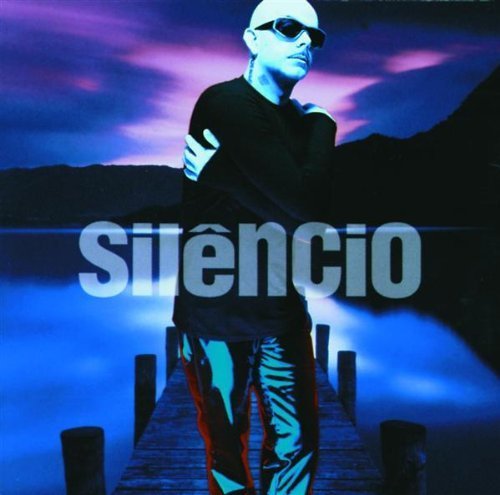
 View Artist