Song Meaning
The lyrics paint a stark picture of profound loneliness and a sense of lost identity. The opening lines immediately establish a feeling of emptiness, with the narrator waking up "sozinho" (alone), comparing themselves to "Um barco sem vela" (a boat without a sail) and "Um corpo sem linho" (a body without linen). This isn't just sadness; it's a fundamental lack of direction and substance, amplified by the deliberate choice to "vesti-me de preto" (dress in black), a "gesto cansado" (tired gesture) with "O olhar no deserto" (the gaze in the desert).
The core tension lies in the struggle against despair, particularly as night falls. The repeated assertion that "Quando todos vao dormir / É mais fácil desistir" (When everyone goes to sleep / It's easier to give up) highlights a private battle fought in isolation. This is contrasted with the difficulty of holding back tears when "a noite está a chegar" (the night is arriving), suggesting a constant, overwhelming emotional pressure that becomes almost unbearable in the quiet of the night.
The chorus reveals a deep-seated rejection of past roles and a resignation to a diminished state. The narrator declares, "Eu não quero ser / A luz que já não sou" (I don't want to be / The light I no longer am) and "Não quero ser primeiro / Sou o tempo que acabou" (I don't want to be first / I am the time that ended). This powerful imagery of being "Um barco nas marés" (a boat in the tides) captures a feeling of being adrift and powerless, no longer in control of their own direction or purpose.
This sense of existential weariness is further emphasized by the imagery of "Umas mãos de criança / Num rosto de velho" (child's hands / On an old face), a striking visual that conveys a profound disconnect between inner youthfulness or innocence and the aged, worn exterior of the narrator. The comparison to a "Guitarra sem fado" (guitar without fado) is particularly poignant, suggesting a loss of the very essence of soulfulness and emotional expression that defines Portuguese music and, by extension, the narrator's own spirit. The lyrics effectively convey a deep sense of loss, isolation, and a struggle to find meaning when one feels stripped of their former self.
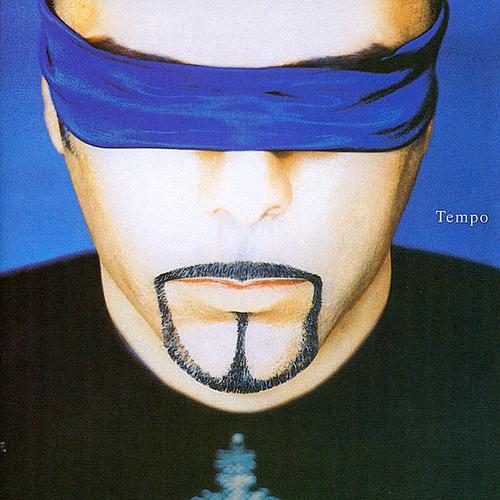
 View Artist