Song Meaning
The lyrics paint a stark picture of absence and lingering presence. The opening lines immediately establish a sense of departure, with the night offering no comfort or restraint to someone leaving. The narrator's room, filled with unfulfilled dreams, becomes a space where the past and future collide, marked by uncertainty about the duration of the relationship and the extent to which the other person remains within them. This creates an immediate emotional texture of melancholy and unresolved longing.
The central tension arises from the paradox of a person being gone yet profoundly felt. The narrator admits to not knowing how long they were together or if the other person is truly carried within, yet they can conjure them from the wind. This suggests a powerful, almost hallucinatory imprint left behind. The repeated uncertainty – "Não sei quanto tempo fomos," "Nem sei se te trago em mim," "Não sei se é luz da manhã," "Nem sei o que resta em nós" – underscores a disorientation, a feeling of being adrift after the departure.
The most striking craft element is the recurring phrase, "Deixas em mim / Tanto de ti." This refrain acts as the emotional anchor, directly stating the core conflict: the overwhelming legacy of the departed person. The contrast between this profound internal residue and the external reality of "mãos vazias de ti" (empty hands of you) is devastating. The image of empty hands powerfully communicates the physical void left by the person's absence, making the internal fullness of their memory all the more poignant.
Ultimately, the lyrics resonate because they articulate the disorienting experience of profound loss. The writing doesn't just state sadness; it builds it through a series of negations and uncertain questions, only to land on the undeniable fact of the other person's indelible mark. The final lines, comparing a kiss to a ship embracing a port, offer a fleeting moment of connection, but it's framed by the overwhelming sense of absence, reinforcing how the memory of what was, and what could have been, continues to shape the narrator's present.
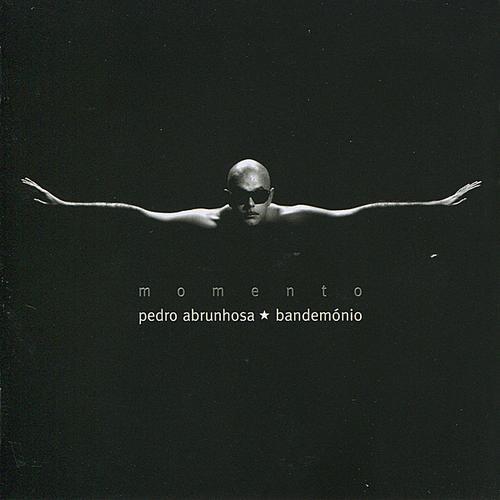
 View Artist