Song Meaning
The narrator recounts a past of social rejection, desperately trying to fit into a scene by adopting its superficial markers like records and magazines. This initial attempt at assimilation backfires spectacularly, with peers mocking them and explicitly excluding them, fostering a profound sense of isolation. The lyrics paint a picture of someone who felt invisible and ridiculed, highlighting the sting of being labeled a 'clown' and unwanted.
However, the narrative pivots dramatically, showcasing a triumphant return fueled by newfound self-assurance and a rejection of the very scene that spurned them. The narrator now leads a 'leather gang,' a stark contrast to their previous attempts at conformity, and proudly declares 'denim's back again,' reclaiming a style that perhaps was once mocked. This transformation is not just about fashion; it signifies a radical embrace of an outsider identity, complete with a self-appointed, almost religious status as a 'Denim Demon' and a 'saint for seamen.'
The lyrics then shift into a more confrontational and sexually charged territory, using vivid, almost aggressive imagery. The juxtaposition of 'black' day and 'white' night, and a 'disco sun,' creates a disorienting, heightened reality. The narrator's declaration to 'draw my sword' and the visceral descriptions of 'stench of piss' and 'asshole's screaming' suggest a raw, uninhibited assertion of power and dominance, a defiant embrace of the transgressive.
Ultimately, this song seems to be about the power of reclaiming one's identity after experiencing deep social alienation. The narrator transforms rejection into a source of strength, building their own 'congregation' outside the confines of societal norms. The provocative language and imagery serve to emphasize this radical self-acceptance and the defiant joy found in embracing the taboo and the 'outside of society' existence.
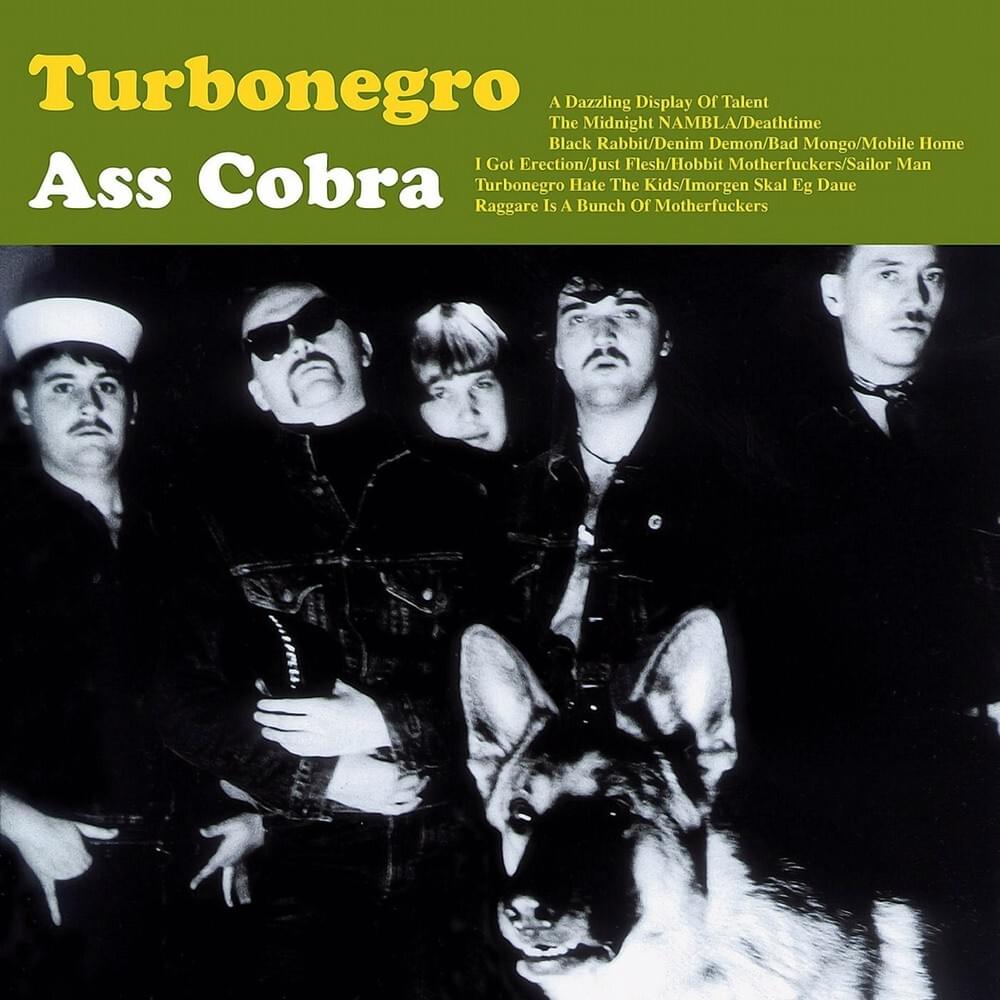
 View Artist