Song Meaning
The lyrics paint a picture of someone grappling with a recurring cycle of arrival and departure, perhaps a person or a state of being. The opening questions, "Where have you been to? Where did you go?" immediately establish a sense of mystery and longing, as if the narrator is trying to understand a pattern of absence. The contrast between "summer" and "winter" suggests a natural, perhaps inevitable, movement away from warmth and life, only for the subject to reappear when conditions are harsh. This sets up a core tension: is this a return for renewal or for a repeated, painful experience?
The central conflict seems to revolve around a repeated attempt to engage with life or the world, only to end in a form of "die again." This phrase, repeated throughout, is stark and evocative, hinting at a profound disappointment or failure that necessitates starting over. The imagery of the "Crystal Swan" and the "Velvet Pond" adds a layer of surreal, almost mythical searching, suggesting a quest for something beautiful or profound that may be illusory. It raises the question of whether the subject is pursuing external ideals or internal reflections.
The most striking craft element is the persistent, almost incantatory repetition of "Or have you come by again / To die again? / Try again another time." This refrain acts as a narrative anchor, emphasizing the cyclical nature of the subject's actions and the narrator's questioning. The lyrics also employ a series of rhetorical questions that probe the subject's intentions and experiences, from shaping the world to understanding the universe's indifference. The final stanza's suggestion that "the world outside / Is all inside your mind" offers a philosophical twist, blurring the lines between external reality and internal perception.
This lyrical structure is effective because it mirrors the feeling of being trapped in a loop. The narrator's persistent questioning, combined with the refrain, creates a sense of unresolved searching and a poignant acknowledgment of repeated struggle. The abstract, almost dreamlike imagery allows for broad interpretation, but the core emotional weight comes from the feeling of trying, failing, and trying again, a deeply human experience of aspiration and disillusionment.
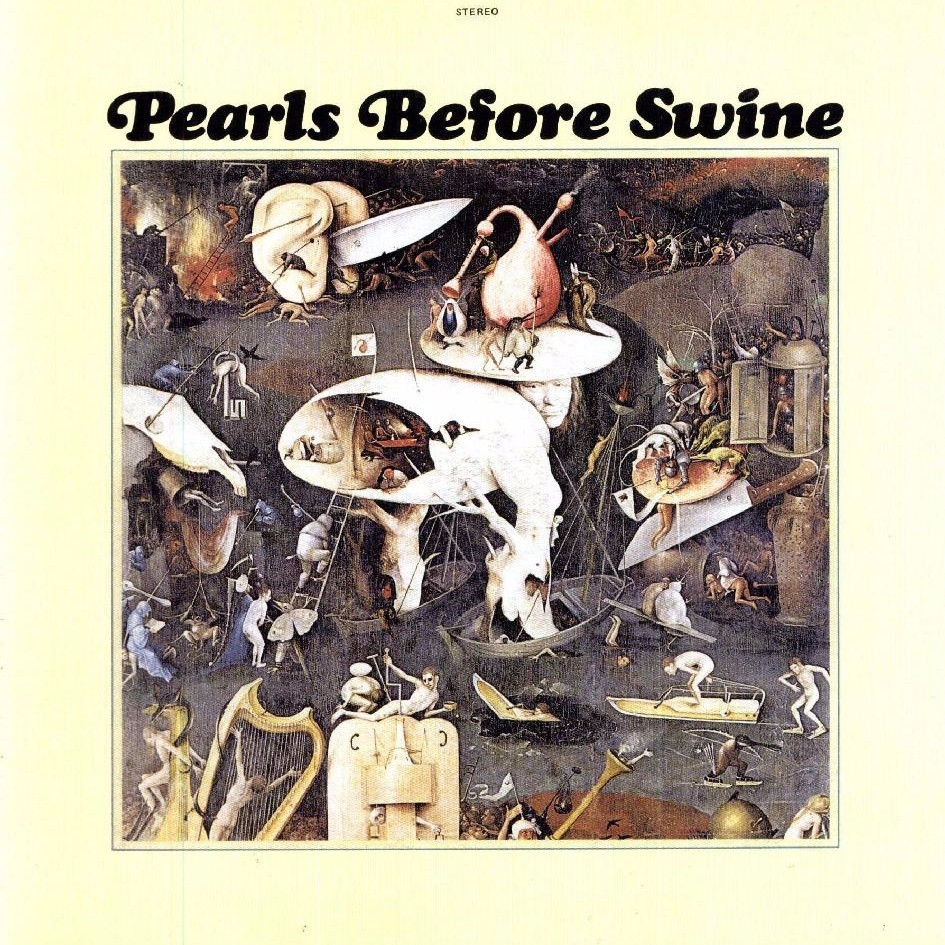
 View Artist