Song Meaning
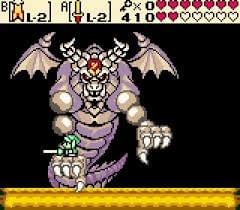
This track is a hilariously low-stakes, almost stream-of-consciousness ode to a video game boss. The narrator, clearly a gamer, frames the encounter with Onox not as a grand epic, but as a slightly tedious chore, albeit one with a certain goofy charm. The opening lines immediately set a casual, personal tone, like a friend sharing a silly thought. The immediate focus on Onox’s physical attributes – his badness and his height – along with the surprisingly specific instruction to “kick his spiky balls” grounds the conflict in a juvenile, almost playground-level antagonism. This isn't about saving the world; it's about a direct, physical confrontation with a particularly unpleasant foe.
The core tension lies in the juxtaposition of the game's supposed urgency and the narrator's casual, almost bored approach. We’re told saving Din and her “shiny bracelet hoops” is important, but the narrator admits to still playing “Zelda stuff” way past Christmas, implying a procrastination that undercuts any real sense of peril. The meta-commentary, like the aside about the bracelet hoops being “eccentric,” further breaks the fourth wall, reminding us this is a game being played and commented on, not a genuine crisis. The shift to Onox becoming a dragon in Verse 2 feels like a narrative beat the narrator is recounting with a shrug, highlighting the arbitrary nature of game mechanics.
The most striking element is the blend of earnest instruction and absurd detail. The command to “kick his spiky balls” is visceral and funny, but it’s immediately followed by the narrator’s own voice chiming in with “you got it,” creating a playful, self-referential loop. The description of the boss fight’s climax, “When you win, the floor starts caving under / Like that Mario Party game,” is a brilliant, unexpected comparison that injects a dose of relatable gaming frustration into the fantasy setting. This isn't just about defeating Onox; it's about the specific, often bizarre, mechanics and memories that gaming itself evokes.
Ultimately, the lyrics’ effectiveness comes from their disarming honesty and specific, quirky observations. The narrator isn't trying to elevate the game or the boss into something profound. Instead, they’re capturing the mundane reality of playing a video game: the slightly annoying tasks, the weird boss transformations, and the personal, often silly, ways we process these digital encounters. The closing thanks and apology for the late Christmas greeting reinforce the feeling of a personal, imperfect, but genuine share with an audience.
 View Artist