Song Meaning
The lyrics paint a picture of a world teetering on the brink, where the "world knocks on its forehead" and "wants to give up." Even "death looks cheerful," suggesting a pervasive sense of resignation or even morbid amusement at the impending end. Yet, amidst this bleak outlook, a defiant refrain emerges: "I like to live." This simple declaration acts as an anchor, a personal counterpoint to the external chaos and apathy described.
The central tension lies in the narrator's persistent affirmation of life against overwhelming signs of decay and finality. The universe offers ominous "signs," and the biblical imagery of Noah building a "ship this time without animals" hints at a final, solitary escape or a world stripped bare. The narrator, however, doesn't succumb to fear; instead, they offer a challenge: "If you're afraid, go there." This suggests a conscious choice to embrace the present, even with its foreboding omens, rather than seeking refuge in an uncertain future.
A striking element is the juxtaposition of grand, apocalyptic imagery with intimate, personal reasons for living. The lyrics mention "songs in us," "tender troubles," and "old hopes," grounding the abstract desire to live in the tangible, emotional landscape of human experience. Even the acknowledgment that "every right goal is gray futility" doesn't diminish the core sentiment. Instead, it frames the act of living as a choice made *despite* the perceived meaninglessness, finding value in the everyday "holiday of weekdays," "sayings from good books," and the simple "miracle of beautiful legs."
This persistent, almost stubborn embrace of life, despite the surrounding desolation and the acknowledgment of futility, is what makes these lyrics resonate. The repeated "I like to live" isn't a naive optimism but a hard-won stance. It's the quiet power of choosing to appreciate the small wonders and personal connections – "want to be with friends," "reach the end" – even when the larger narrative seems to be collapsing. The writing crafts a powerful contrast between the external world's surrender and the internal world's enduring, personal affirmation.
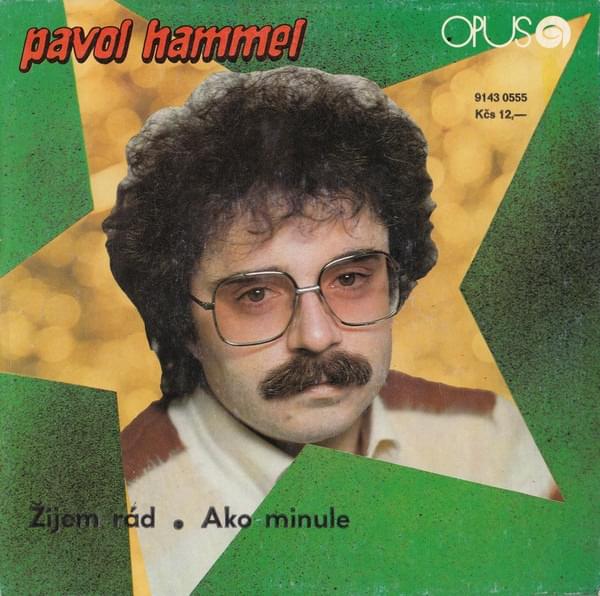
 View Artist