Song Meaning
The lyrics paint a picture of a relationship that began with a playful, almost combative dynamic, described as a game of knives where each person tried to outdo the other in 'evil.' Initially, the narrator felt 'sour like an apple,' suggesting a tartness or resistance. This initial phase quickly shifted, however, as the narrator's feelings transformed into a passive, almost yielding state, likening himself to a 'pear' after a week of absence from the other person. The 'hide-and-seek' game morphed into something more akin to being a 'toy,' and the narrator's 'heavy boulder of resistance' crumbled.
The central tension lies in the narrator's complete surrender and transformation. He acknowledges being 'changed,' 'stupid and worthless,' and no longer wearing the 'coat of pride.' This profound shift is driven by the other person's absence and the narrator's subsequent plea for them to 'cook me, salt me, and then eat me with great appetite.' This isn't a literal request for consumption, but a desperate desire for the other person's attention and validation, even if it means complete annihilation of his former self.
The most striking craft element is the extended metaphor of cooking and eating. The narrator repeatedly asks to be 'cooked' and 'eaten,' but with a crucial caveat: 'just be careful / that it, that it, that it / is still today.' This urgency suggests a fear of his current state of worthlessness becoming permanent or that the opportunity for this intense, albeit destructive, interaction will pass. The transformation from 'apple' to 'pear,' and from resistance to complete submission, underscores the depth of his emotional change and his willingness to be consumed by the other person's will.
These lyrics hit hard because of their raw vulnerability and the stark imagery of self-destruction as a form of desperate connection. The narrator’s plea to be 'cooked and eaten' is a powerful expression of wanting to be fully known and consumed by another, even at the cost of his own identity. The urgency tied to 'still today' amplifies the emotional stakes, highlighting a fear of fading away unnoticed rather than being actively destroyed by the object of his affection.
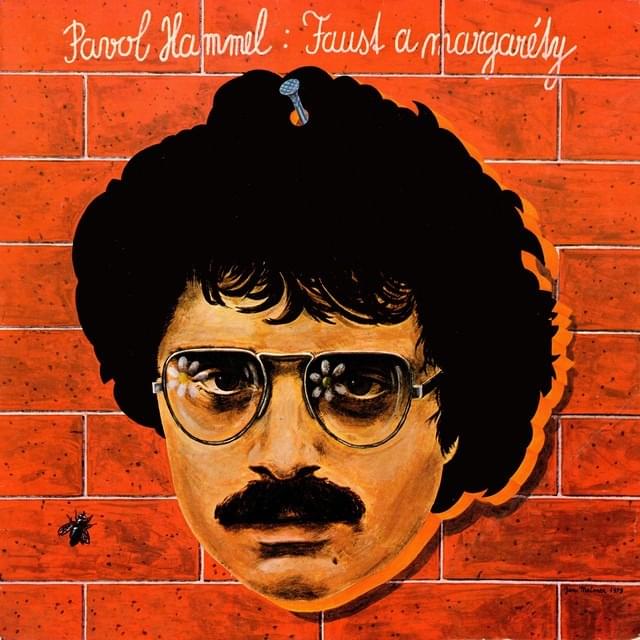
 View Artist