Song Meaning
These lyrics immediately set up a playful contrast, with the speaker declaring, "Nie som žiadny Faust" (I am no Faust). He quickly clarifies his preference, stating he "gladly prefer[s] / The beauty of daisies." This opening establishes a humble, grounded perspective, rejecting the grand intellectual pursuits often associated with the legendary figure.
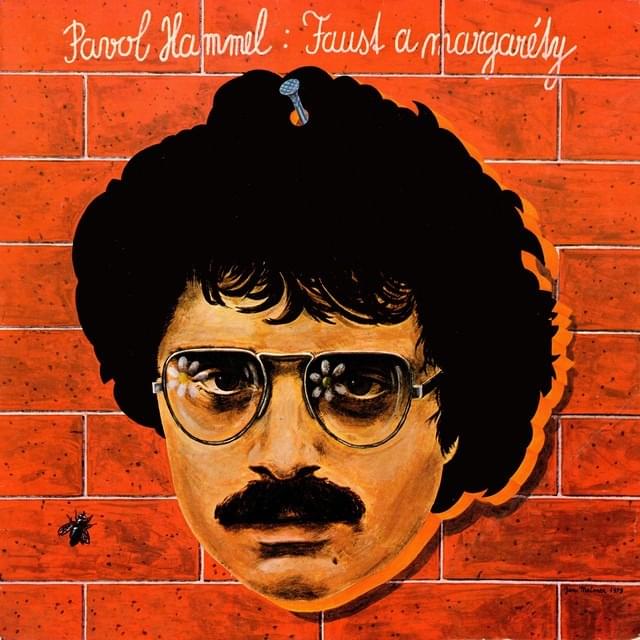
The central tension hinges on a clever linguistic twist: "Faust mal Margarétu, ja margaréty" (Faust had Margaréta, I have daisies). This distinction between a singular, named woman and numerous, simple flowers highlights a fundamental difference in their desires. Yet, the speaker repeatedly notes that Faust "supposedly sought what I also have in mind," suggesting an intriguing, underlying commonality in their quests, despite their vastly different objects of affection.
The craft here is brilliant in its simplicity. The near-homonym between "Margaréta" (Faust's beloved) and "margaréty" (daisies) forms the entire foundation of the comparison, making the lyrics instantly memorable. The repetition of this core contrast reinforces the speaker's identity and his chosen path. By the end, the daisies are not just preferred objects; they "lead me from gate to gate," transforming simple flowers into guides for a life of continuous, perhaps less dramatic, exploration.
Ultimately, these lyrics resonate because they offer an alternative vision of fulfillment. The speaker's embrace of numerous, simple beauties, guided by the humble "margaréty," feels like a quiet rebellion against grand narratives. It suggests that a life rich in small, natural experiences can be just as profound, and perhaps more attainable, than a singular, all-consuming pursuit, making the listener consider what truly guides their own journey.
 View Artist