Song Meaning
The lyrics paint a picture of a complex, perhaps transactional, dynamic between two people. The opening lines, with a "bucket" atop a "hill" overlooking "out of time thrills," suggest a detached, almost voyeuristic perspective. There's a sense of needing "inspiration," but a reluctance to directly ask, hinting at an unspoken agreement or a power imbalance where one party is expected to offer without being prompted. The phrase "I don't mind if it don't rhyme" implies a disregard for conventional beauty or structure, perhaps mirroring the unconventional nature of their connection.
The core tension seems to revolve around control and submission, framed by images of transgression and observation. The narrator declares themselves a "trespasser" and asks for a kiss "when I cross the tracks," signaling a deliberate defiance of boundaries. This is immediately followed by the insistent refrain, "I'll be watching you," which carries a dual meaning of possessive affection and perhaps a subtle threat or surveillance. The addition of "I'll be whining too" injects a note of vulnerability or desperation into this watchful stance.
The most striking image is that of the "soiled little filly." This phrase carries connotations of something precious and potentially pure that has been tainted or misused. The idea that such a "filly can't raise the roof" suggests a stifled spirit or an inability to express true joy or rebellion due to this soiled state. The contrast between a "keep your heart open under glass" versus it was given by a maker / That dirty, dirty taker" highlights a profound betrayal, where a gift meant to be cherished has been exploited by someone described as a "dirty."
This lyrical construction is effective because it uses stark, almost brutal imagery to convey a sense of emotional compromise and exploitation. The repeated "I'll be watching you" creates a claustrophobic atmosphere, while the contrast between the "maker" and the "taker" underscores the violation. The narrator's own self-description as a "soiled little filly" who is petted "when I beg" and questions why beggars don't kneel, reveals a deep-seated resignation to a demeaning dynamic, making the listener question the nature of love and power in such relationships.
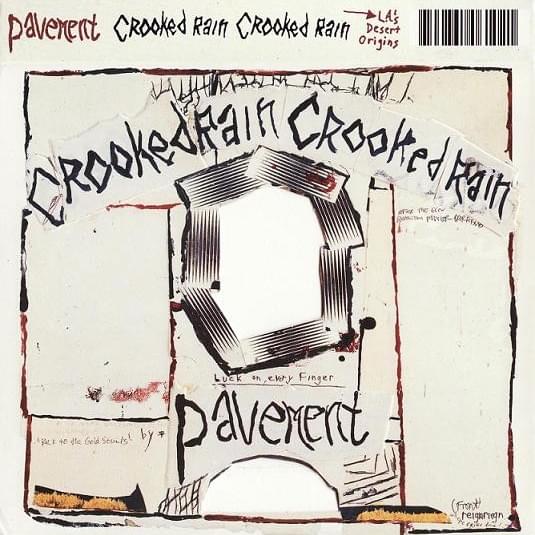
 View Artist