Song Meaning
The lyrics paint a picture of someone grappling with a profound, almost physical transformation or sacrifice demanded by another, referred to as Loretta. The repeated question, "How can I make my body shed for you?" suggests a desperate attempt to change or diminish oneself to accommodate or heal another's "metal scars." This imagery implies a deep wound or trauma in Loretta, one that the speaker feels compelled to absorb or alleviate, even at great personal cost. The phrase "metal scars" is stark, hinting at something artificial, perhaps surgical or even violent, that has left its mark.
The core tension emerges in the chorus: "From now on, I can see the sun / Makes me anxious, makes me run." This is a fascinating paradox. Seeing the sun typically signifies clarity, hope, or a new beginning, yet here it triggers anxiety and flight. It seems the speaker's attempt to shed their body or adapt to Loretta's "metal scars" has led to a state where even positive change or visibility is terrifying. This suggests the sacrifice, or the process of dealing with Loretta's pain, has fundamentally altered their perception of safety and well-being.
The most striking element is the relentless repetition of both the anxious refrain and the central question. This structure mirrors the speaker's obsessive state, trapped in a cycle of trying to understand and enact this painful shedding. The repetition of "Loretta's scars" acts like a mantra, emphasizing the source of this internal turmoil. The overwhelming focus on the sun in the outro, while still paired with anxiety, might suggest a dawning, albeit terrifying, awareness that this state of being is now inescapable, a new, uncomfortable reality.
This writing is effective because it captures a specific, unsettling emotional landscape without overexplaining. The ambiguity of "shed" and "metal scars" allows the listener to project their own experiences of codependency, trauma, or difficult relationships onto the narrative. The contrast between the potential hope of the sun and the resultant anxiety creates a powerful sense of unease, making the speaker's internal conflict palpable and deeply resonant.
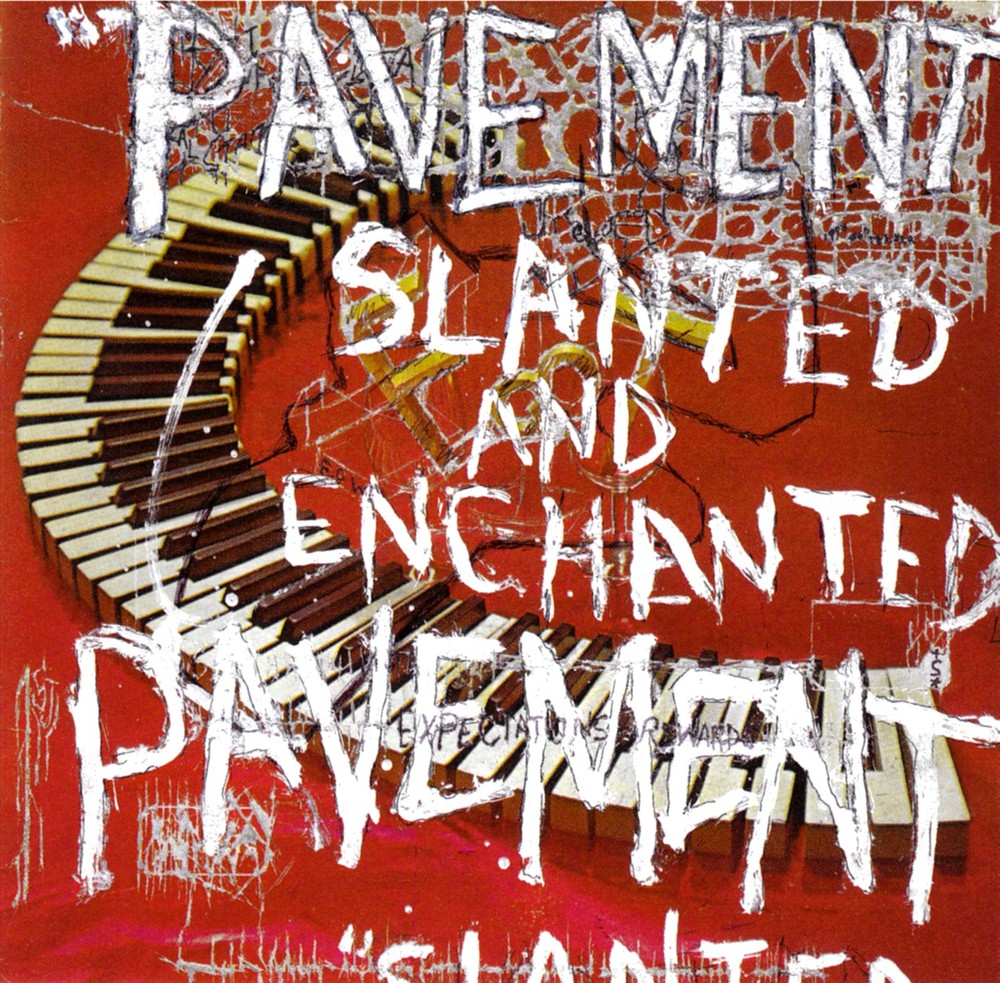
 View Artist