Song Meaning
The lyrics paint a stark picture of a past relationship and the narrator's persistent, almost compulsive, return to it. The opening lines establish a transactional dynamic: "Met her / When I was a drum cadet / Sold her / The skins off my second set." This immediately sets a tone of exchange, where even personal possessions are bartered, hinting at a relationship built on necessity or perhaps a desperate attempt to impress. The narrator's past self is presented as someone willing to give up essential parts of his musical identity for this connection.
The dominant emotional tension arises from the repeated, almost frantic, chorus: "See myself come running back." This isn't a gentle longing; it's an urgent, involuntary movement. The repetition amplifies the feeling of being trapped in a cycle, unable to break free from the pull of this past encounter. The contrast between the past self's actions and the present self's observation creates a sense of detachment and bewilderment, as if watching a past mistake unfold from a distance.
The second verse introduces a jarring juxtaposition of luxury and poverty: "Asshole / Royal blue velvet rope / Castles / We never had any of those." This highlights a perceived disparity or an unfulfilled aspiration associated with the relationship. The narrator seems to be recalling a time when they were excluded from or lacked the trappings of wealth, suggesting the relationship might have been entangled with social or economic frustrations. The imagery of "torn flags" and "burned match" in the outro further solidifies this sense of decay and struggle, a desperate attempt to create a fleeting moment of significance.
Ultimately, the effectiveness of these lyrics lies in their raw, unvarnished portrayal of a recurring, perhaps unhealthy, attachment. The narrative doesn't offer resolution, only the relentless echo of "running back." The sparse, declarative sentences and the insistent rhythm of the chorus create a feeling of being caught in a loop, mirroring the narrator's inability to escape the past. The final image of lighting a burned match and sticking a flag on it is a powerful, albeit bleak, metaphor for trying to find meaning or victory in destruction and futility.
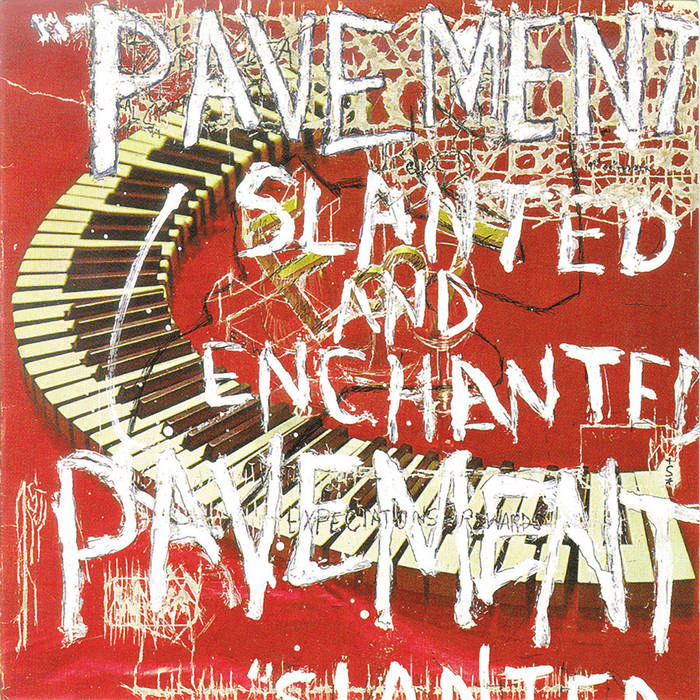
 View Artist