Song Meaning
The lyrics present a stark, almost clinical opening, immediately confronting a deeply unsettling image: "no castration fear." This jarring phrase sets a tone of unusual vulnerability or perhaps a forced calm, suggesting a situation where such primal anxieties are either absent or deliberately suppressed. The subsequent line, "In a chair you will be with me," offers a simple, yet loaded, promise of presence and companionship, anchoring the listener to a specific, static scene.
This juxtaposition between profound existential dread and the mundane act of sitting creates a palpable tension. The repeated, almost mantra-like chorus, "We'll dance," feels like an attempt to transcend the unsettling stillness and fear established in the verse. It's a desperate, or perhaps defiant, assertion of movement and connection against a backdrop of immobility and potential threat.
The power here lies in the stark contrast and the sheer, unadorned repetition. The lyrics don't explain the "chair" or the "fear," forcing the listener to project their own anxieties onto the scene. The simple, insistent "We'll dance" acts as a fragile shield, a way to keep moving forward, even if the underlying unease remains unaddressed and unresolved.
This deliberate ambiguity makes the lyrics resonate. The promise of dancing becomes a potent, if temporary, escape. It's the sound of pushing through discomfort, finding solace in shared action, however simple, when the deeper, unspoken fears loom large. The effectiveness comes from this raw, unvarnished portrayal of seeking connection amidst an undefined, yet palpable, sense of unease.
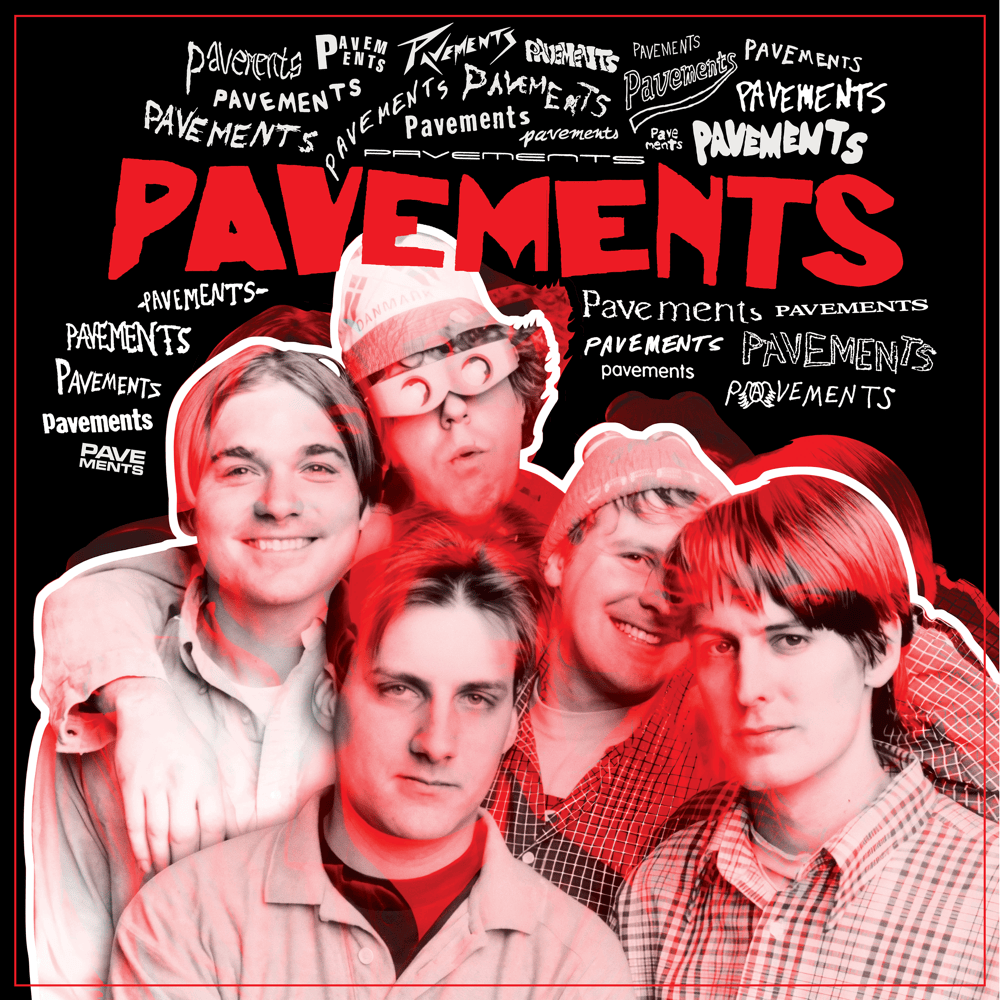
 View Artist