Song Meaning
The lyrics paint a stark picture of vulnerability, set against the backdrop of encroaching night. The narrator explicitly states, "Pelkää en pimeää" (I don't fear the dark), but this bravery is entirely conditional. It hinges on the presence of another person: "Jos et käännä selkää / Jos jäät / Jos jäät mun luo" (If you don't turn your back / If you stay / If you stay with me). This immediately establishes a core tension: the narrator's perceived strength is actually a deep-seated fear of abandonment, masked by a declaration of fearlessness.
The central conflict emerges from the narrator's desperate need for reassurance, amplified by catastrophic imagery. They claim they wouldn't fear even the sky falling or mountains sinking, stating, "Pelkäis en laisinkaan" (I wouldn't fear at all). However, this absolute statement is immediately followed by the same condition: "Jos luoksein jäät / Jos jäät mun luo" (If you stay by my side / If you stay with me). The extreme hypothetical scenarios serve not to demonstrate the narrator's resilience, but to underscore the overwhelming importance of the other person's presence as the sole anchor against potential collapse.
The most striking element is the relentless repetition of the phrase "Jää mun luo" (Stay with me) in the chorus, punctuated by the forceful "Vaadin, vaadin" (I demand, I demand). This isn't a gentle plea; it's an urgent, almost primal insistence. The sheer volume of the repetition, especially in the extended final chorus, transforms the request into a desperate mantra. It highlights a profound insecurity, where the narrator feels compelled to demand the very thing they fear losing most, suggesting a lack of faith in the relationship's stability without constant affirmation.
What makes these lyrics resonate is their raw, unvarnished portrayal of dependency. The narrator's fear isn't of external threats like darkness or natural disasters, but of internal ones – loneliness and rejection. The craft lies in using grand, apocalyptic imagery not to show strength, but to highlight how insignificant those threats become compared to the potential loss of the other person. The repeated demand, "Jää mun luo," is the emotional core, revealing a fragile self that finds its only solace and courage in another's unwavering presence.
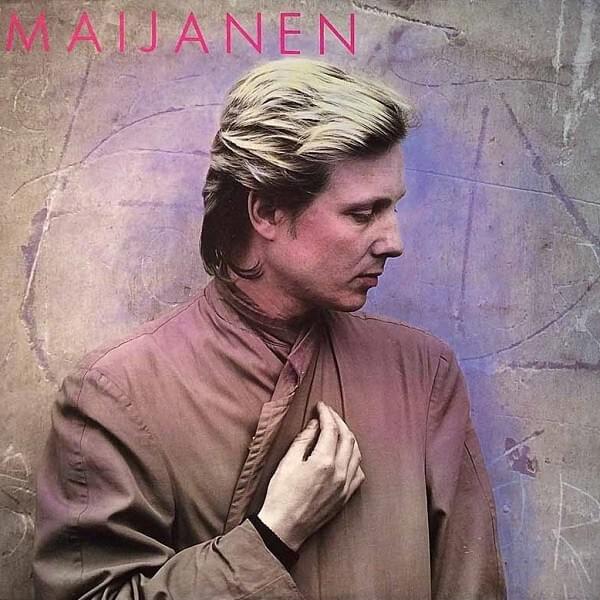
 View Artist