Song Meaning
The lyrics paint a picture of someone observing another person chasing a dream, a path filled with both potential riches and suffering. The narrator sees this pursuit as a "dangerous paradise," a place revealed by the "palm of your hand," suggesting a destiny or a self-created illusion. There's a sense that this ambitious individual is relentless, as "who comes with everything doesn't get tired."
The central tension lies in the narrator's plea to "Bete balanço," a term of endearment, to signal when it's time to leave. This isn't just about departure; it's a request for a heads-up before the inevitable, perhaps painful, conclusion of this ambitious chase. The narrator seems to be watching from the sidelines, aware of the potential pitfalls while the other person is fully immersed in their fantasy, their "toy star."
The contrast between the dreamer's relentless drive and the narrator's detached observation is striking. The lyrics mention "sad faces pretending we don't exist," perhaps a jab at those who are critical or dismissive of the dreamer's aspirations, or maybe the narrator's own feeling of being overlooked. The repeated phrase "Bete balanço my love" acts as a refrain, a constant, almost hypnotic call for awareness and a signal for a shared exit from this intense, possibly destructive, pursuit.
What makes these lyrics resonate is the raw, almost fatalistic portrayal of ambition. The narrator isn't necessarily discouraging the dream but is acutely aware of its dual nature – "money, I see pain." The repeated plea to be warned before departure highlights a shared, yet distinct, experience of this journey, where one is fully committed and the other is watching, waiting for the right moment to disengage.
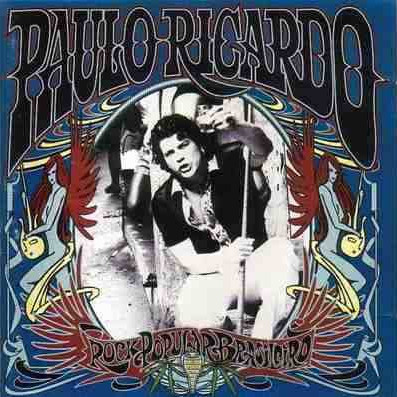
 View Artist