Song Meaning
The lyrics present a stark dichotomy between the demands of a career and personal fulfillment. One path offers financial gain and partial realization, but at the cost of one's entire time and a feeling of only giving half oneself. The alternative, what brings joy, offers no monetary reward, highlighting a fundamental conflict between passion and practicality. The narrator grapples with the idea of a singular self and the finite nature of time, suggesting a deep internal struggle.
The central tension arises from the desire for autonomy and freedom versus the exhaustion and existential weariness that comes with it. The questions posed – "Quer trabalhar para si mesmo? Sem cansaço / Nem horário / Sem depender de ninguém?" – paint an idealized picture of self-employment. However, this is immediately contrasted with the profound weariness implied by the subsequent questions: "Quer descansar de si mesmo? Sem nem mesmo / Pensamento / Quer deixar de ser alguém?" This suggests that the pursuit of freedom can lead to a desire for complete escape, even from one's own identity.
The most striking aspect of the writing is the direct, almost blunt questioning that drives the narrative. The repetition of "Você é um só" and the contrasting ideas of "o tempo é um só" versus "o tempo é o tempo inteiro" emphasize the limited resources of a single life. The ultimate question, "Quer deixar de ser alguém?" is a powerful, almost desperate inquiry into the desire for oblivion as an escape from the pressures of existence and selfhood, particularly when faced with the compromises between work and happiness.
This lyrical construction is effective because it mirrors the listener's own potential internal debates about life choices and identity. The simple, direct language and the escalating intensity of the questions create a sense of shared introspection. The lyrics don't offer answers but rather articulate the profound, often unspoken, anxieties about purpose, time, and the very nature of being someone in the world.
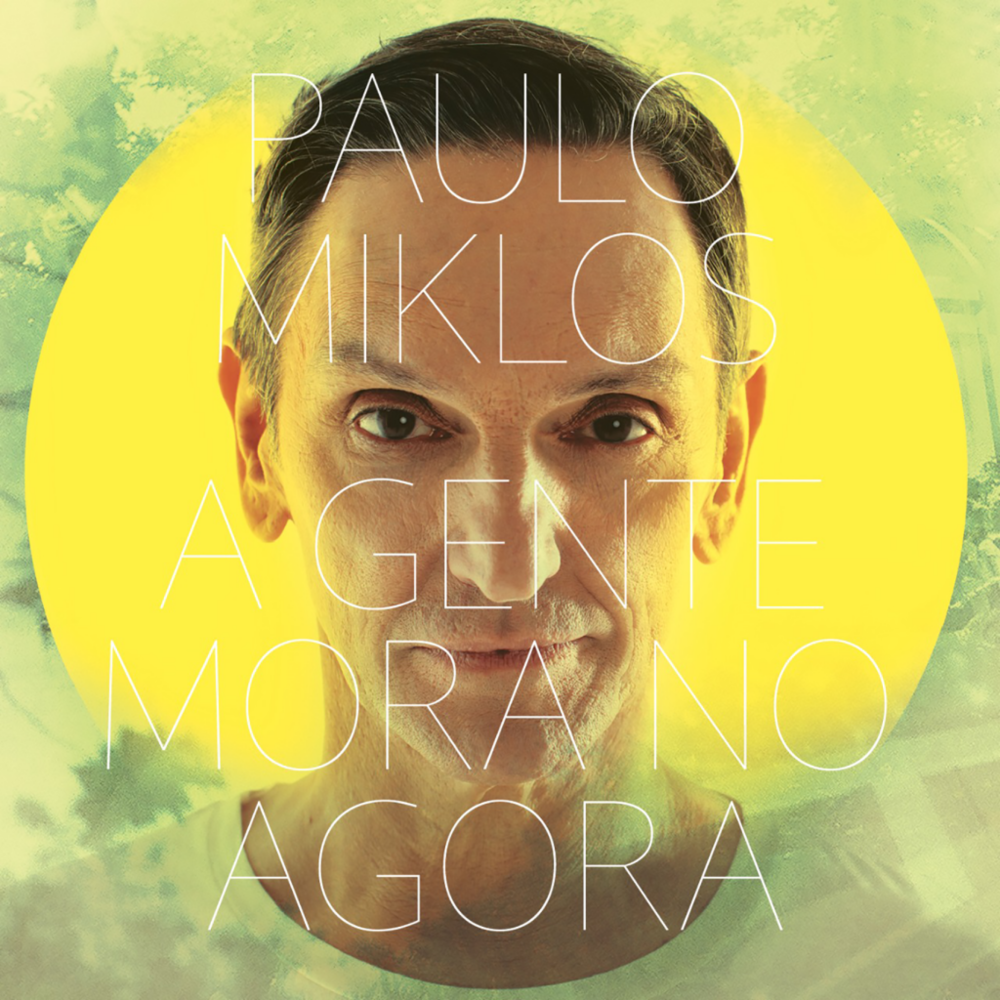
 View Artist