Song Meaning
The opening lines of "Tudo que a gente quis" immediately drop us into a relationship defined by extreme, almost unbelievable, acts of devotion. The speaker lists sacrifices, from apologizing for unseen wrongs to saving a life while their own hung by a thread. It's a portrait of profound, perhaps even unbalanced, commitment.
This initial litany of giving, including teaching "truques que eu nunca aprendi" and telling "estórias de livros que eu nunca li," sets up a fascinating tension. Is this a relationship built on selfless love, or one where the speaker constantly fabricates and overextends themselves? The emotional core seems to oscillate between deep affection and a quiet sense of the speaker's own erasure or invention for the sake of the other.
The lyrics then pivot to shared, playful moments, like "você já imitou Janis Joplin" and the speaker's "fingi ser Charlie Chaplin." This lighthearted intimacy contrasts sharply with the earlier sacrifices, suggesting a dynamic where grand gestures and simple joys coexist. But the most striking craft element arrives with the biblical metaphor: "Já fomo Adão e Eva / Transando no Paraíso."
This powerful image instantly conveys a primal, all-consuming passion, a shared origin story that transcends the mundane. The Adam and Eve imagery, quickly followed by "Devoramos as maçãs / Perdemos nosso juízo," brilliantly encapsulates a shared transgression and a willing surrender to desire. This recontextualizes everything that came before. The final, repetitive lines – "Tudo que a gente quis / A gente fez" – act as a powerful, almost defiant affirmation. They suggest that every sacrifice, every fabrication, every passionate act, even the "loss of mind," was ultimately part of a shared, desired narrative, making the entire complex history feel deliberate and deeply satisfying to both parties.
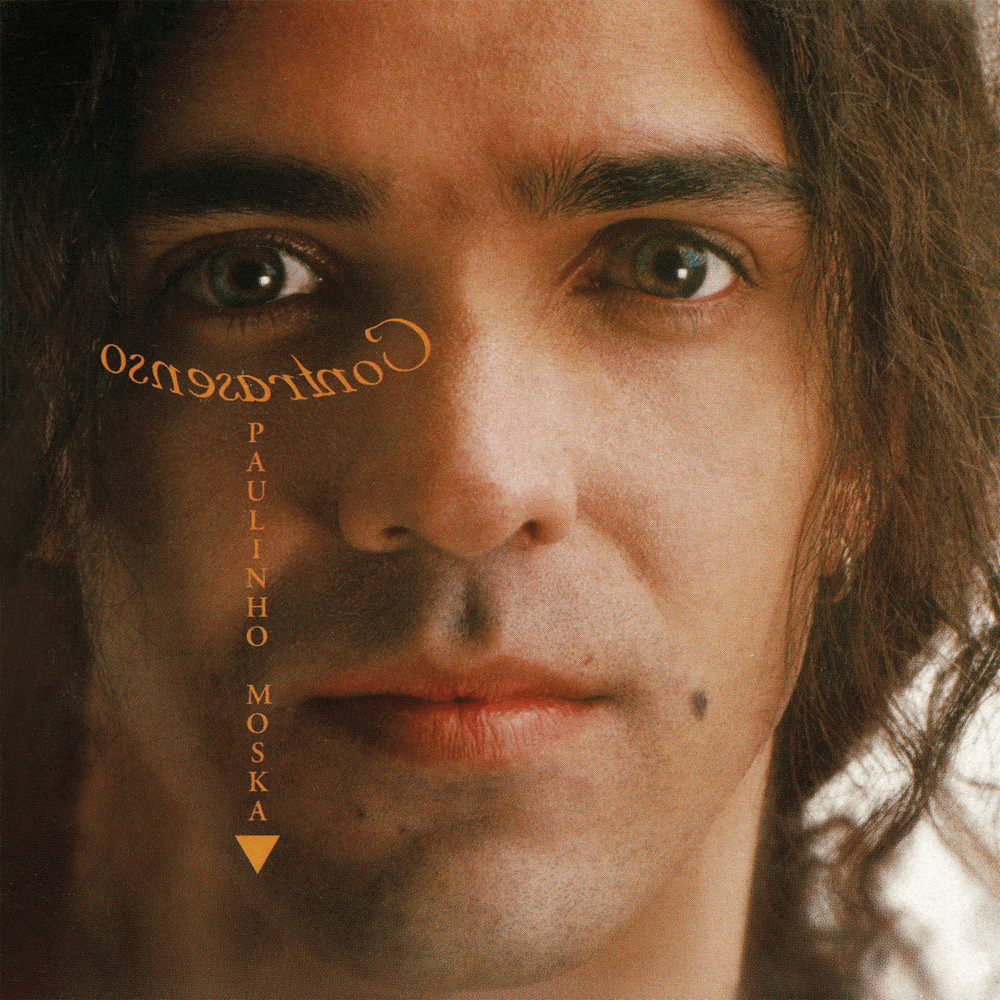
 View Artist