Song Meaning
These lyrics immediately dive into a vivid, almost tactile catalog of love's many forms. The speaker quickly dismisses a "pálido, esquálido" (pale, squalid) love, setting an urgent tone. There's a clear, insistent plea for "Amor de outro tipo" (another kind of love).
The central tension here is the speaker's profound dissatisfaction, explicitly stating, "O Amor que eu tenho já não me basta" (The love I have is no longer enough for me). This isn't a passive wish but an active rejection of the current emotional landscape. The repeated call for "um pouco de amor" underscores a deep, unfulfilled yearning.
The most striking craft element is the consistent use of tangible, almost consumable imagery for love. From "Amor em pó" to "Amor em calda, Amor em pasta" (love in syrup, love in paste), the abstract concept is rendered physical. This suggests a visceral hunger, a craving that demands to be satisfied with something rich, substantial, and far from "Amor comum" (common love).
The cumulative effect of this relentless cataloging and contrasting imagery is a palpable sense of desperate longing. The final lines, "Amor pra sempre / Amor agora," encapsulate a powerful paradox: a desire for eternal, all-consuming love that is simultaneously needed with desperate immediacy. This makes the emotional stakes incredibly high, resonating with anyone who's ever felt their current love fall short of their deepest desires.
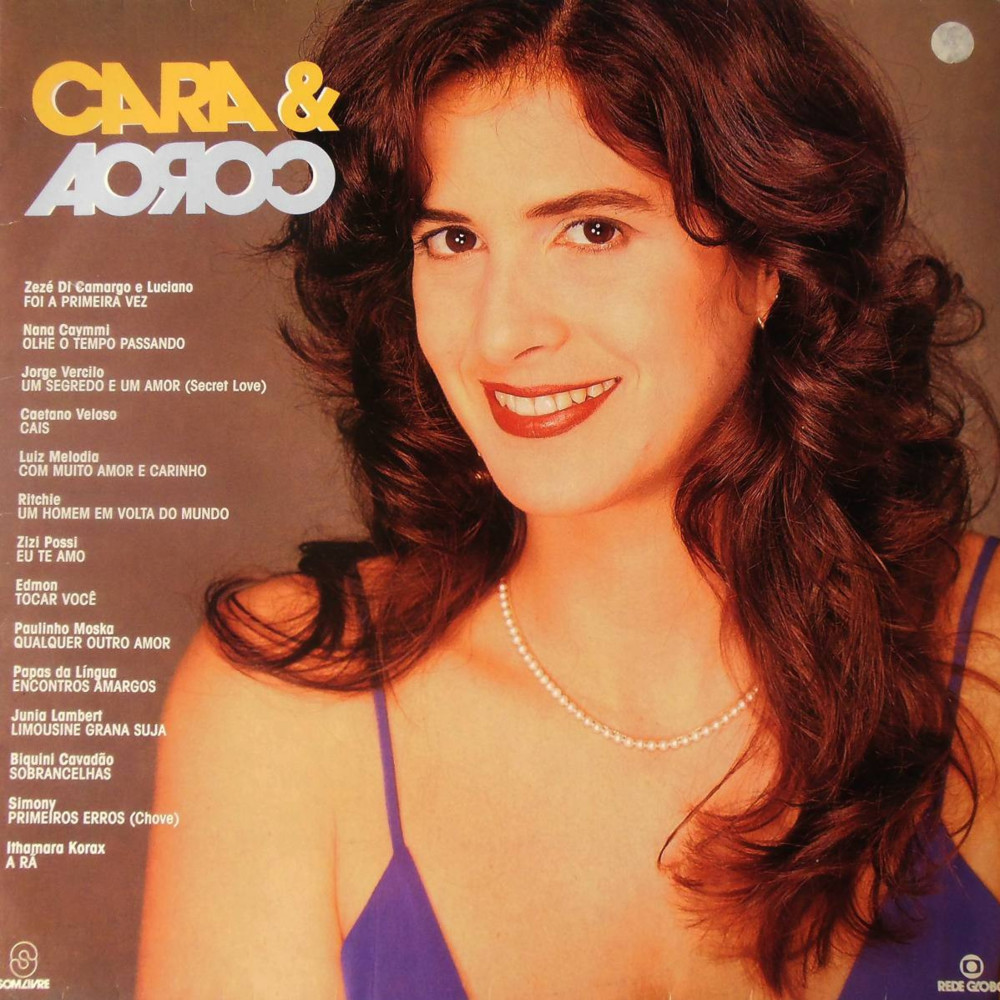
 View Artist