Song Meaning
These lyrics sketch a portrait of an almost defiant, eternal wait. The speaker projects a future beyond the year 2000, promising an unwavering devotion. This deep, persistent longing is framed by the repeated, almost philosophical declaration, "Blues é assim, baby."
The central emotional tension here is the speaker's stubborn commitment against the relentless march of time and the possibility of new affections. The promise, "Eu vou pra sempre te esperar," isn't just a fleeting romantic gesture; it's a deep-seated ache that persists even if "outras pessoas eu venha amar" and find "um pouco de paz" with them. It suggests a love that transcends circumstance, almost a fated connection.
The most striking craft element is the recurring chorus, "Blues é assim, baby." This phrase acts as a powerful anchor, suggesting that this profound, enduring longing isn't merely personal but a fundamental, inescapable aspect of the "blues" experience itself. It normalizes the seemingly extreme devotion, presenting it as an inherent truth, a condition of being. The contrast between the apocalyptic "ano 2000" and the deeply personal wait also creates a compelling sense of scale.
The lyrics effectively convey a sense of timeless, almost fated longing. By grounding the devotion in specific, vivid future scenarios—from surviving the millennium to being "velho, tarado e gagá" and remembering "seu gingado"—the abstract promise gains a gritty, human authenticity. The speaker's willingness to acknowledge other loves while still holding onto the central wait makes the emotional impact even stronger, suggesting a love that transcends all other experiences.
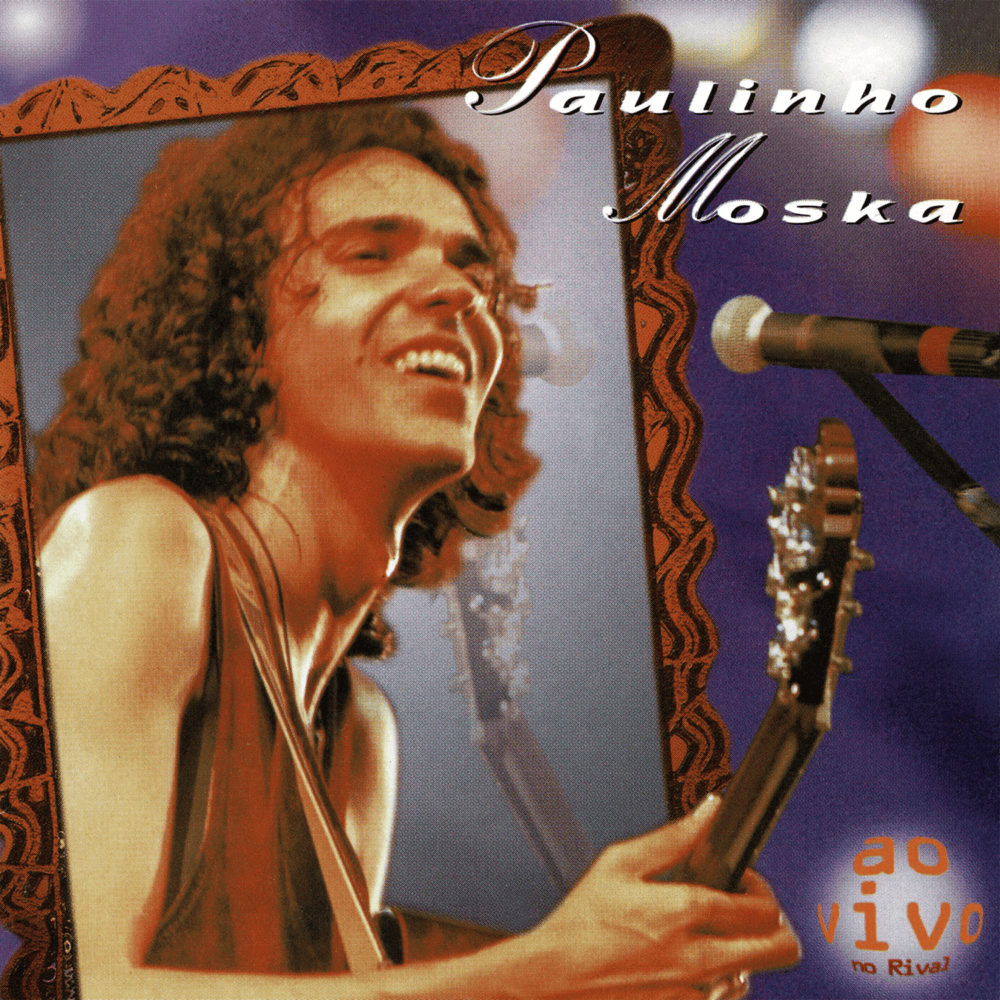
 View Artist