Song Meaning
These lyrics open with a direct, challenging question, confronting a partner's apathy. The speaker senses an impending collapse, describing a relationship on the brink of total destruction. There's an immediate feeling of resignation mixed with a desperate plea for clarity. The initial lines set a tone of weary confrontation.
The central tension arises from one person's profound indifference, captured in the phrase "tudo tanto faz," clashing with the speaker's investment. The speaker foresees a catastrophic end, painting vivid images of a burning bridge, a destroyed church, and a cracked road. This isn't just a breakup; it's the obliteration of shared foundations, driven by a potential "grande explosão" within their very shelter. The imagery elevates the personal conflict to an almost apocalyptic scale.
A particularly striking element is the profound metaphor: "Sonhos são como deuses / Quando não se acredita neles, deixam de existir." This line elevates the personal struggle to a philosophical statement, suggesting that the future's bleakness stems from a loss of shared belief. The speaker's admission, "Lutei por sua alma," reveals the depth of their fight, indicating a struggle for the very essence of the other person. This battle, however, ultimately ends in defeat.
The effectiveness of these lyrics lies in their raw honesty and the escalating sense of doom. The repetition of the speaker's realization, "Olhei pro amanhã e não gostei do que vi," acts as a somber refrain, underscoring their clear-eyed, yet painful, acceptance. The final, stark confession, "admito que perdi," solidifies the theme of surrender after a profound effort. This leaves the speaker facing a disorienting aftermath, "me perder nesse planeta conhecido," adrift in a world suddenly unfamiliar despite its familiarity.
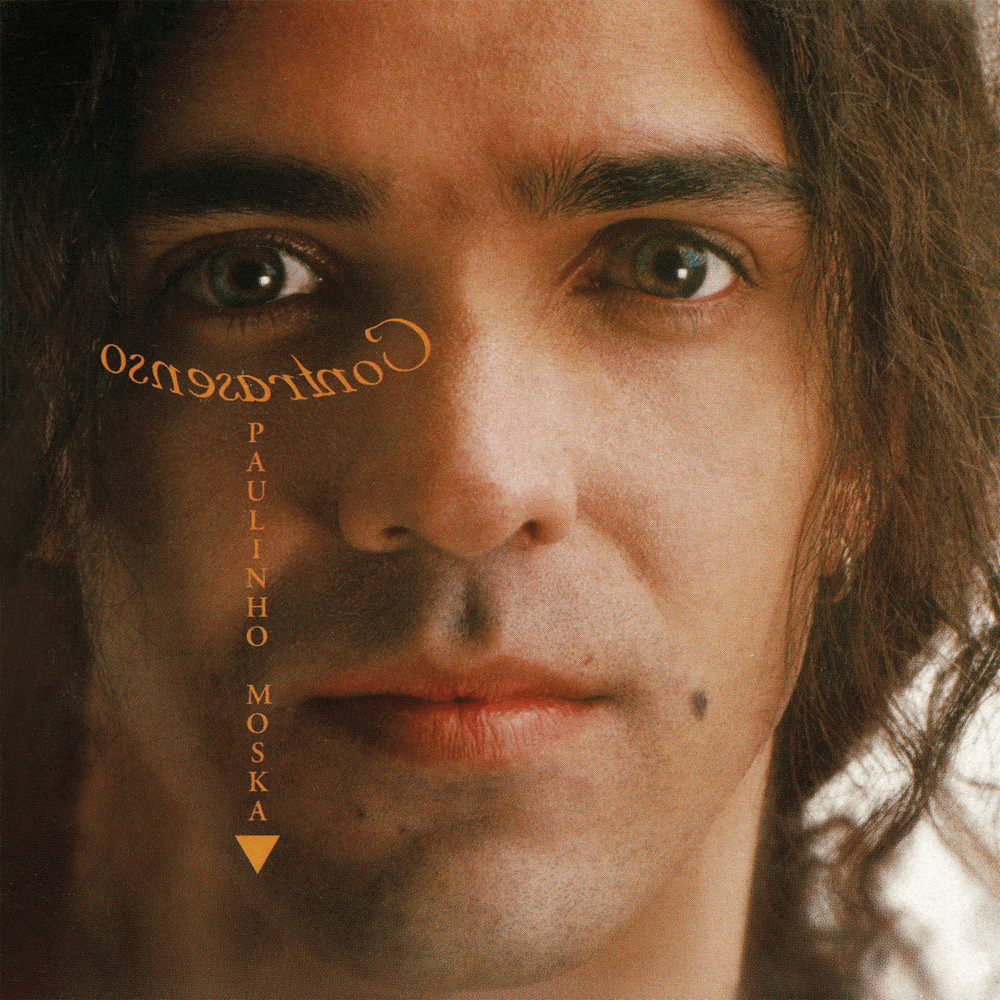
 View Artist