Song Meaning
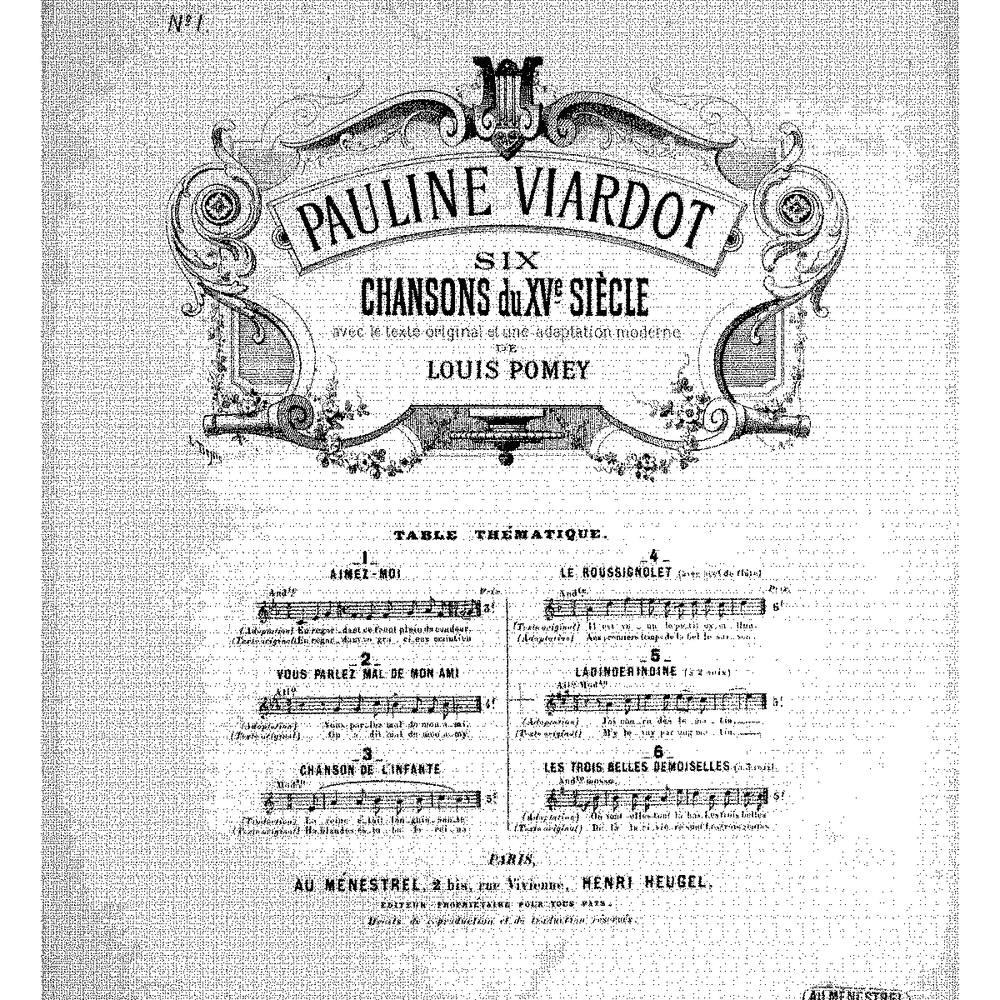
The lyrics paint a picture of a narrator desperately searching for a lost portrait of a friend, encountering three young women who seem to know its whereabouts but are evasive. The opening questions, "Où vont-elles?" and "Où donc est il?" establish an immediate sense of urgency and confusion. The narrator's plea, "Je perdis hier, ici / Le portrait de mon ami," grounds the mystery in a tangible loss.
The central tension arises from the narrator's direct accusation, "Et vous l'avez! / Et vous mentez!" directed at the "trois belles demoiselles." Their response, "Je n'es sais rien / On me l'apris / Ça se peut bien," is a masterclass in polite deflection, suggesting they might have information but are unwilling or unable to share it. This creates a frustrating, almost playful, but ultimately unresolved conflict.
The most striking aspect is the contrast between the innocent image of the "belles demoiselles" and their potentially deceptive behavior. The repetition of "Tout là-bas" emphasizes their distance and elusiveness, while the narrator's direct questions are met with vague, dismissive answers. The lyrics suggest a game of cat and mouse, where the narrator is desperate and the women are nonchalant, perhaps even amused.
This lyrical exchange is effective because it captures a universal feeling of being stonewalled by those who hold the key to a solution. The simple, almost childlike language, combined with the underlying accusation, creates a compelling narrative of unresolved mystery and social maneuvering. The listener is left wondering about the fate of the portrait and the true intentions of the "demoiselles."
 View Artist