Song Meaning
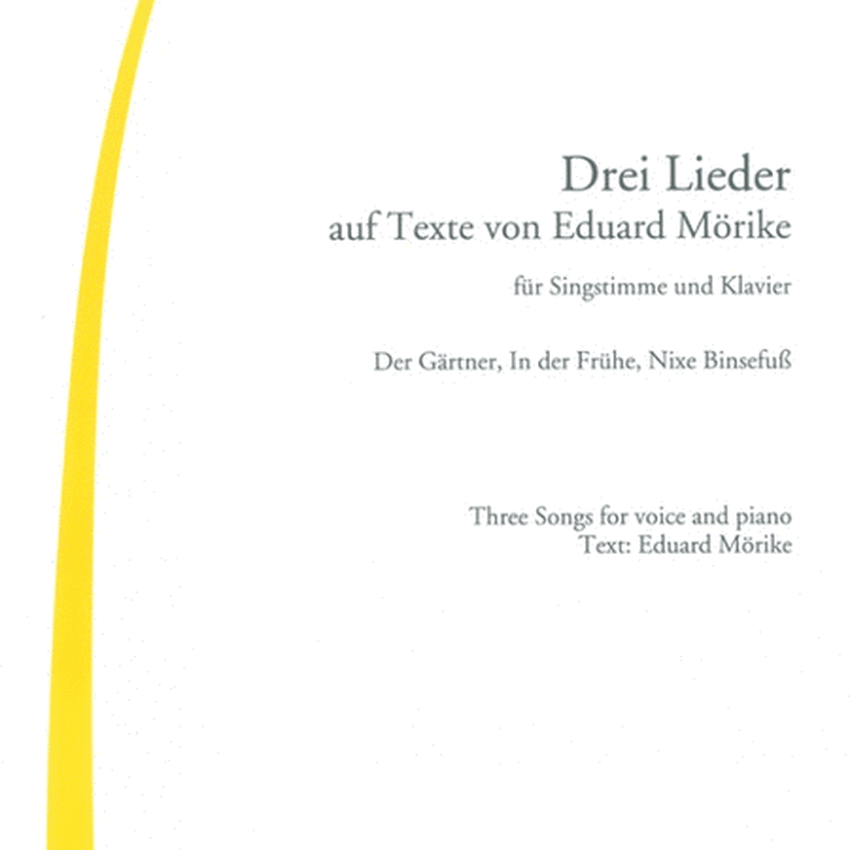
These lyrics plunge us into the intimate, restless space of a mind caught between night and day. The narrator lies awake, eyes uncooled by sleep, as the first light of dawn creeps through their chamber window. It's a vivid snapshot of early morning insomnia, where the physical discomfort mirrors a deeper mental agitation.
The central tension here is the stark contrast between the external world's gentle progression and the narrator's internal chaos. While the day begins to stir, their "disturbed mind" actively "churns between doubts," conjuring "night ghosts." This isn't just passive worry; the mind itself is the architect of its own torment, creating specters of anxiety even as the darkness recedes outside.
Then comes a powerful, almost jarring shift: a direct, urgent command to the self. "Anxieties, torment / yourself no longer, my soul!" the narrator declares, followed by the forceful imperative, "Rejoice!" It's a desperate act of will, an internal intervention where one part of the self attempts to wrestle control from the other. This isn't a gentle suggestion but a sharp, almost painful demand for peace.
The effectiveness of these lyrics lies in this raw depiction of an internal battle. The narrator's struggle to command their own soul, to force joy upon themselves, is deeply human. The final image of "morning bells waking up" offers a fragile counterpoint, an external sound of peace or new beginnings that the narrator desperately tries to align their troubled spirit with, suggesting that even in profound distress, a glimmer of hope can be found in the world's quiet rhythms.
 View Artist