Song Meaning
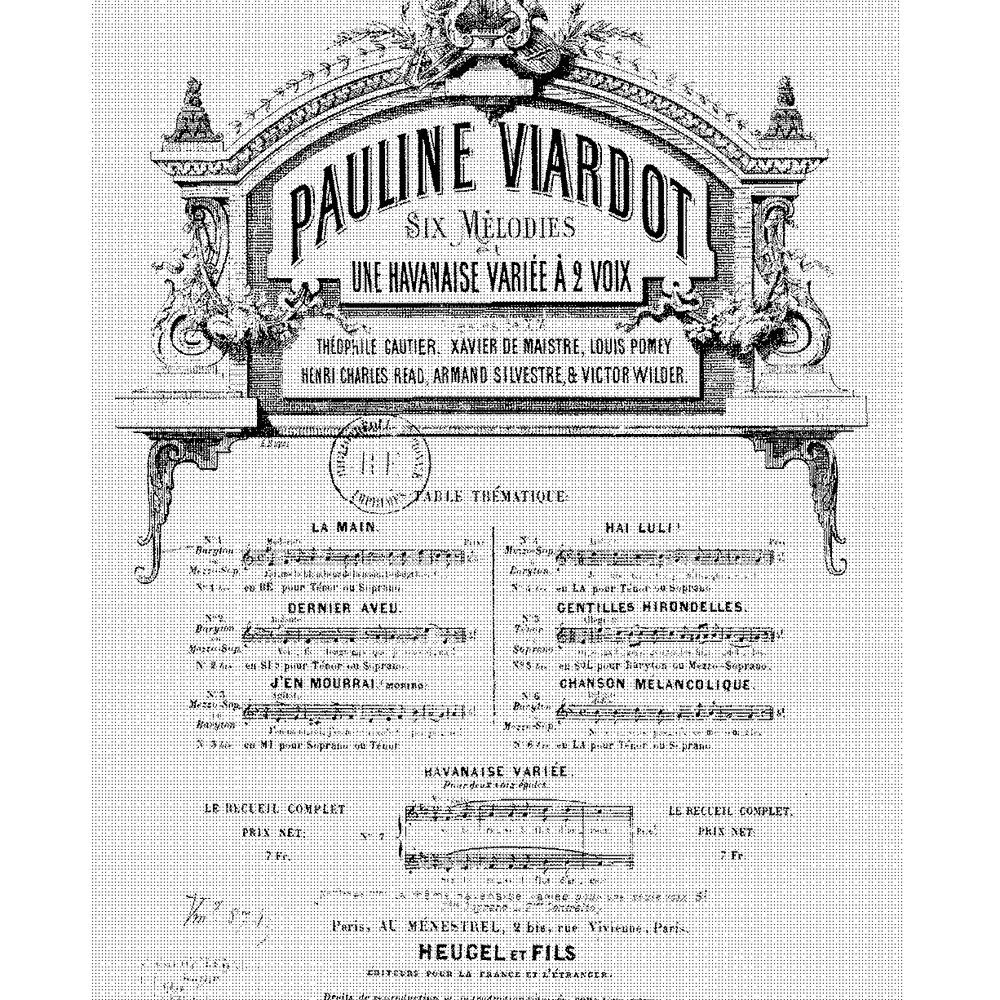
This song paints a vivid picture of longing, using the imagery of birds to express a deep yearning for a departed love. The narrator observes "gentilles hirondelles" (kind swallows) and "plaintives tourterelles" (plaintive turtledoves), wishing their own heart or soul had wings to follow a "doux trésor" (sweet treasure) or "doux amour" (sweet love) that has fled to distant "tourelles" (turrets).
The central tension lies in the narrator's immobility versus the freedom of the birds. They are earthbound, unable to reach their beloved, while the birds can effortlessly soar. This contrast highlights the pain of separation and the desperate desire for escape and reunion, imagining a clandestine meeting "caché parmi les fleurs de sa fenêtre" (hidden among the flowers of her window).
The lyrics masterfully employ repetition and subtle shifts to deepen the emotional impact. The core wish, "Si comme vous mon cœur avait des ailes" (If like you my heart had wings), is echoed with "Si comme vous mon âme avait des ailes" (If like you my soul had wings), moving from a more general desire to a profound, existential one. Furthermore, the expression of love shifts from declaring "L'amour qu'en mon cœur a fait naître" (The love that was born in my heart) to lamenting "Des feux qu'en mon cœur a fait naître" (The fires that were born in my heart), suggesting a love that has become a source of pain and suffering rather than joy.
This emotional arc, from hopeful declaration to mournful lament, is what makes the lyrics so poignant. The narrator’s inability to physically reach their beloved, coupled with the transformation of their love into a burning ache, creates a powerful sense of unfulfilled desire and melancholic beauty. The gentle, melodic sounds the narrator imagines uttering underscore the tender, yet sorrowful, nature of their enduring affection.
 View Artist