Song Meaning
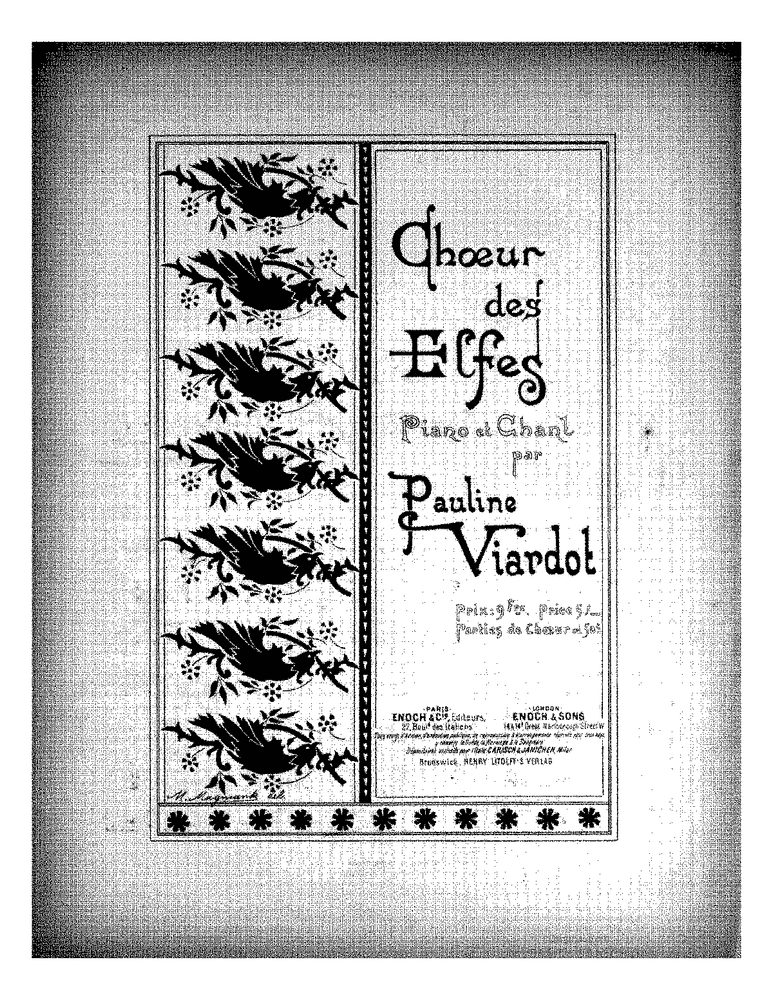
These lyrics immediately transport us into a scene of pure, unadulterated nocturnal revelry. A group of "Compagnes ailées," or winged companions, are joyfully dancing under the watchful eye of the moon. There's an immediate sense of shared delight and ethereal grace.
The core of the lyrics centers on this communal celebration. The "sœurs bien aimées" are gently swaying to the "chant des grillons," creating a serene yet lively atmosphere. They are a "troupe rieuse" enjoying "nuits amoureuses," inviting all to "Tournons et dansons!" This collective joy is observed by "La lune, notre blanche reine," a benevolent celestial presence overseeing their frolicking in the plain.
What truly elevates these lyrics beyond simple merriment is the introduction of the Sylphe. This spirit is "fidèle" to good hearts, but for the "villain," it becomes a mischievous tormentor, buzzing "Comme un moucheron fin et grèle" and laughing its "chant malin." This subtle contrast introduces a moral dimension, suggesting that this idyllic world of revelry is not without its own sense of justice, adding a layer of protective enchantment to the scene.
The structural repetition of the opening stanza, culminating in the final, emphatic "Valsons!" (Let's waltz!), reinforces the cyclical, timeless nature of this magical gathering. The consistent, light imagery and the collective "we" perspective draw the listener into this world, making the experience of shared, protective joy feel both immersive and deeply effective.
 View Artist