Song Meaning
The lyrics here are less about a narrative and more about pure sonic and vocal expression, a celebration of sound itself. The opening "Hola, a-ja, ja" and the triumphant "¡Se acabó el disco!" signal a moment of arrival and completion, a playful declaration that the musical journey has reached its peak. The repeated "Taca-taca-ta" and the subsequent vocalizations like "Pa-pa-pa-pa-la" and "Pau-pau, pa, pa, la, la, la" are not conveying specific words but rather a visceral, rhythmic energy.
The core of the lyrical content, "Algo tienes que me excita," is a direct statement of attraction, but it's immediately followed by these abstract, almost primal vocalizations. This suggests the 'something' that excites the speaker is not necessarily a complex idea or a specific person, but a raw, captivating feeling that transcends language. The nonsensical, percussive "Pau-pau-pa-pau-pau" and "Na-na-nana" become the sound of that excitement, a wordless expression of pure, unadulterated thrill.
The true craft here lies in the deliberate use of sound as meaning. The speaker is using their voice to mimic the percussive, rhythmic drive of the music, creating a feedback loop between vocal and instrumental. The repetition of these rhythmic syllables, "pau-pau" and "la-la," functions like a hook, embedding itself in the listener's mind through sheer sonic memorability. It’s a testament to how rhythm and vocal texture alone can evoke a powerful emotional response.
Ultimately, these lyrics are effective because they tap into a fundamental human response to rhythm and sound. The "algo tienes" is the irresistible pull of the beat, the infectious energy that makes you want to vocalize along, even if the sounds themselves don't form coherent sentences. The final "Ahí lo tienen, ¿no?" is a knowing wink, a challenge to the listener to feel that same unexplainable excitement.
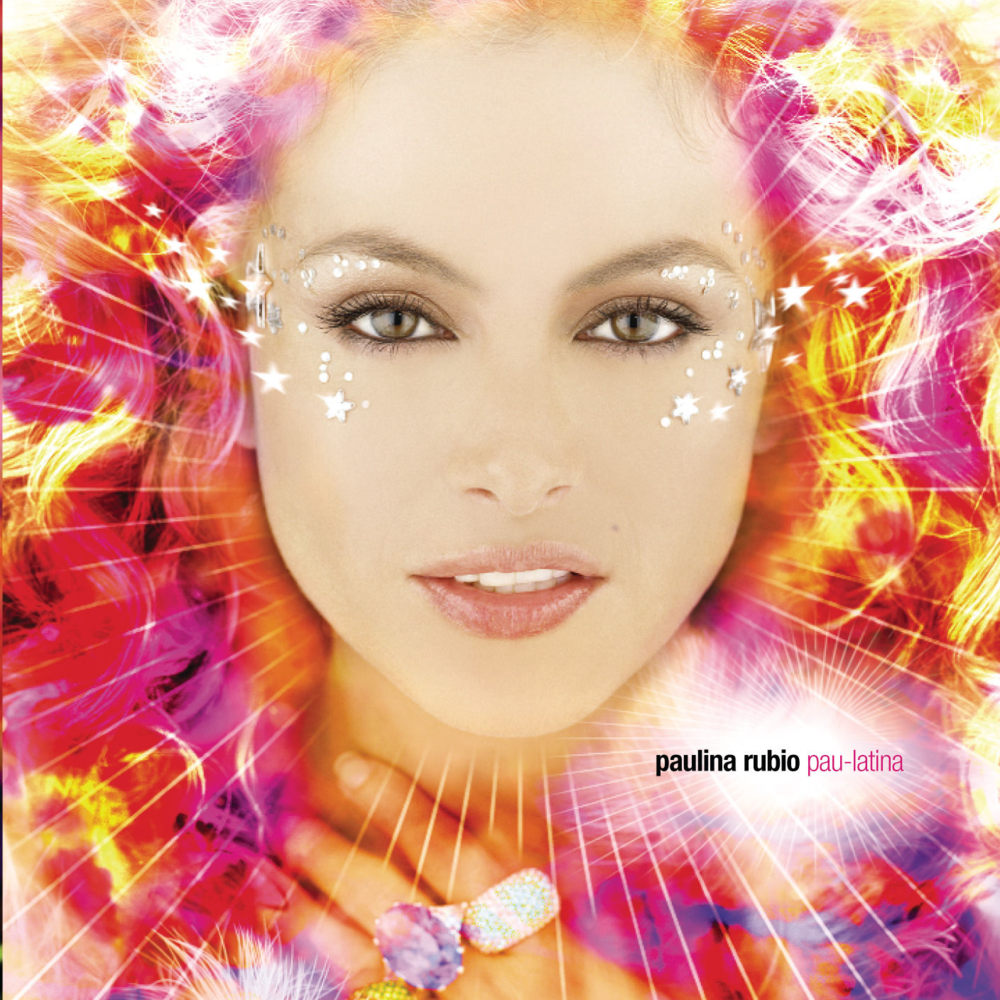
 View Artist