Song Meaning
The narrator can no longer stay silent, witnessing the world's strife. They demand answers, repeatedly asking, "Who starts it all?" This isn't just a rhetorical question; it's a desperate plea for understanding the origins of conflict and suffering.
The core tension lies between the perceived inevitability of hardship and the narrator's refusal to accept it. They observe that "hunger is still seen" despite the idea that "bread is impossible for all to suffice." This highlights a fundamental injustice, questioning why scarcity persists when abundance should theoretically be possible.
The most striking element is the persistent, almost incantatory repetition of "Kuka kaiken alkaa, kuka kaiken alkaa, kuka kaiken aikaan saa" (Who starts it all, who starts it all, who brings it all about?). This refrain underscores the narrator's frustration and their refusal to let the cycle of questions go unanswered, even as they acknowledge the slow pace of change, waiting "until the day I see minds change."
Ultimately, the lyrics resonate because they tap into a universal yearning for accountability and a better future. The narrator's unwavering faith in "a new and brave human / Who starts it all, who starts it all, who brings it all about" offers a glimmer of hope, suggesting that the power to change the world lies within humanity itself, waiting to be unleashed.
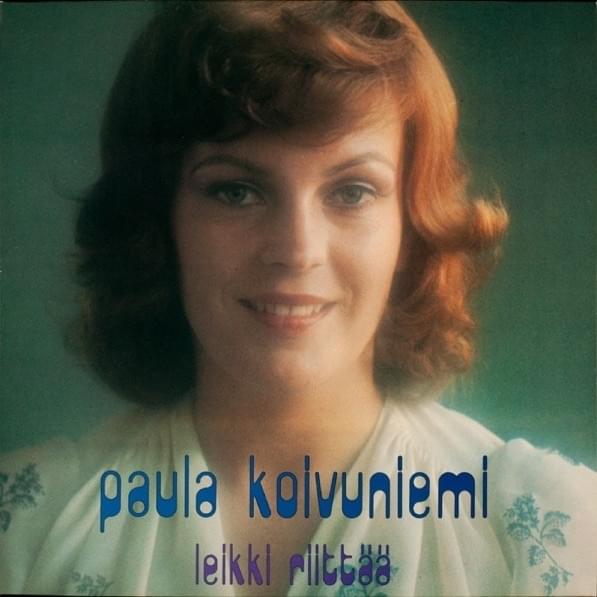
 View Artist