Song Meaning
This song paints a picture of an intense, all-encompassing love, but with a fascinating twist. The narrator offers complete devotion, wanting to be a "hoapili," a Hawaiian word for companion or close friend, someone who supports and shares life. They express a desire to be a muse, to share dreams and inspirations, and to offer unwavering loyalty and support. The language is strong: "fierce love," "all that I am," "my heart, my hand belong to another." This last phrase is the key, suggesting a polyamorous or non-monogamous framework for this deep connection, where the narrator's heart and hand are committed elsewhere, yet their desire to be a "hoapili" to the addressee remains paramount.
The central tension lies in the definition of love and commitment presented. The narrator's love is described as "fierce" and "true," offering everything they have and are. Yet, this love exists alongside a commitment to "another." This isn't a story of unrequited love or a secret affair; rather, it seems to be an articulation of a love that transcends traditional boundaries of exclusivity. The repeated desire to be "hoapili" underscores a yearning for deep, supportive companionship that doesn't require possessiveness or exclusivity, but rather mutual inspiration and shared life experiences.
The most striking element is the concept of "hoapili" itself, presented as the ultimate goal. It's more than just friendship; it's a profound partnership built on shared dreams, mutual inspiration, and unwavering support. The lyrics suggest that this kind of love, where one can be "proud of being me" and feel "wholehearted, whole soul," is not necessarily bound by monogamy. The narrator's willingness to "share with you all that I am" and to "do all for you all that I can" while acknowledging a commitment to "another" challenges conventional notions of romantic love and highlights a desire for a different, perhaps more expansive, form of connection.
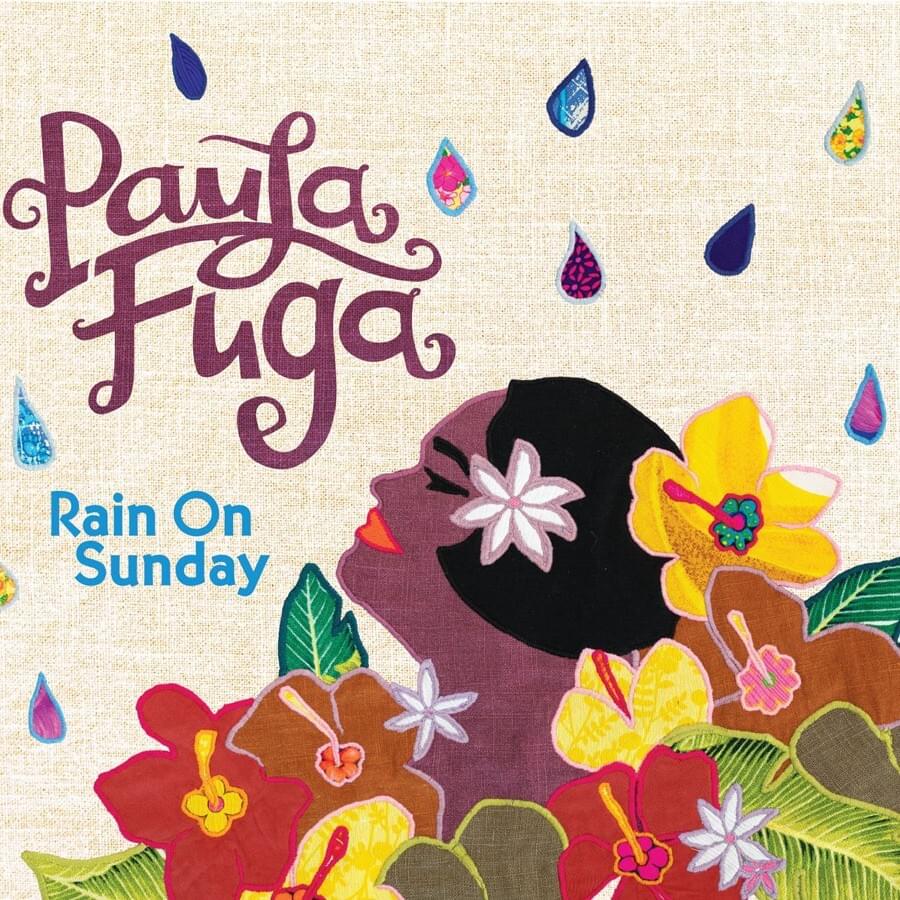
 View Artist