Song Meaning
Paula Fernandes' "Todo Seu" isn't just another plea for forgiveness; it's a raw, exposed nerve of vulnerability packaged in a deceptively simple melody. The lyrical narrative centers on acknowledging past missteps within a relationship, a confession delivered with an almost desperate sincerity. The opening lines, "Se, se tudo que arrisquei foi por você / Pra tentar Provar a ti o meu querer" immediately plunges the listener into a space of regret and self-awareness. It's not merely about making mistakes, but about the speaker's realization that their attempts to prove their love inadvertently caused pain. This hints at a deeper psychological element: the potential for self-centeredness even within acts of affection, a common pitfall in human relationships. The repetition of "Uhm!" acts as a sonic sigh, emphasizing the weight of this realization.
The chorus is where the song's core message crystallizes. It's a direct appeal: "Meu amor, você pode perdoar / Quem te amou mas feriu teu coração." The paradox of loving someone while simultaneously causing them harm is a complex emotional space, and Fernandes navigates it with a palpable sense of remorse. The lyrics analysis reveals that the speaker acknowledges a kind of arrested development, singing "Que a criança em mim cresceu," symbolizing a newfound maturity and understanding of the impact of their actions. This isn't just about saying sorry; it's about demonstrating personal growth and a commitment to changing harmful patterns.
Ultimately, "Todo Seu" translates to "All Yours," and it's a complete surrender. The repetition of "Tô aqui sou todo seu" underscores the speaker's willingness to offer themselves entirely to their partner, hoping for acceptance and a second chance. The acknowledgment of potentially wasted words ("Se as palavras que te digo são em vão") and the subsequent declaration of not wanting to live without the other person ratchets up the emotional stakes. It's a stark, unflinching expression of dependence and a testament to the transformative power of love and the pain of potentially losing it.
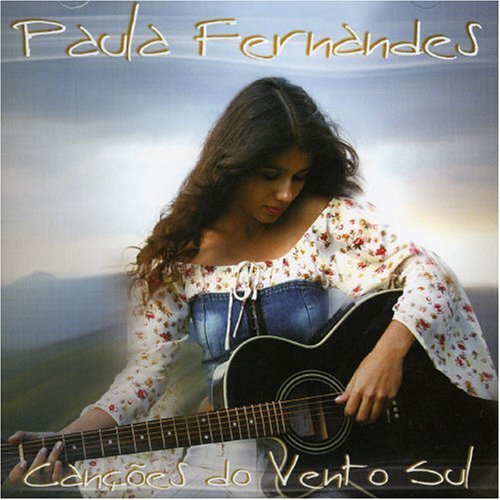
 View Artist