Song Meaning
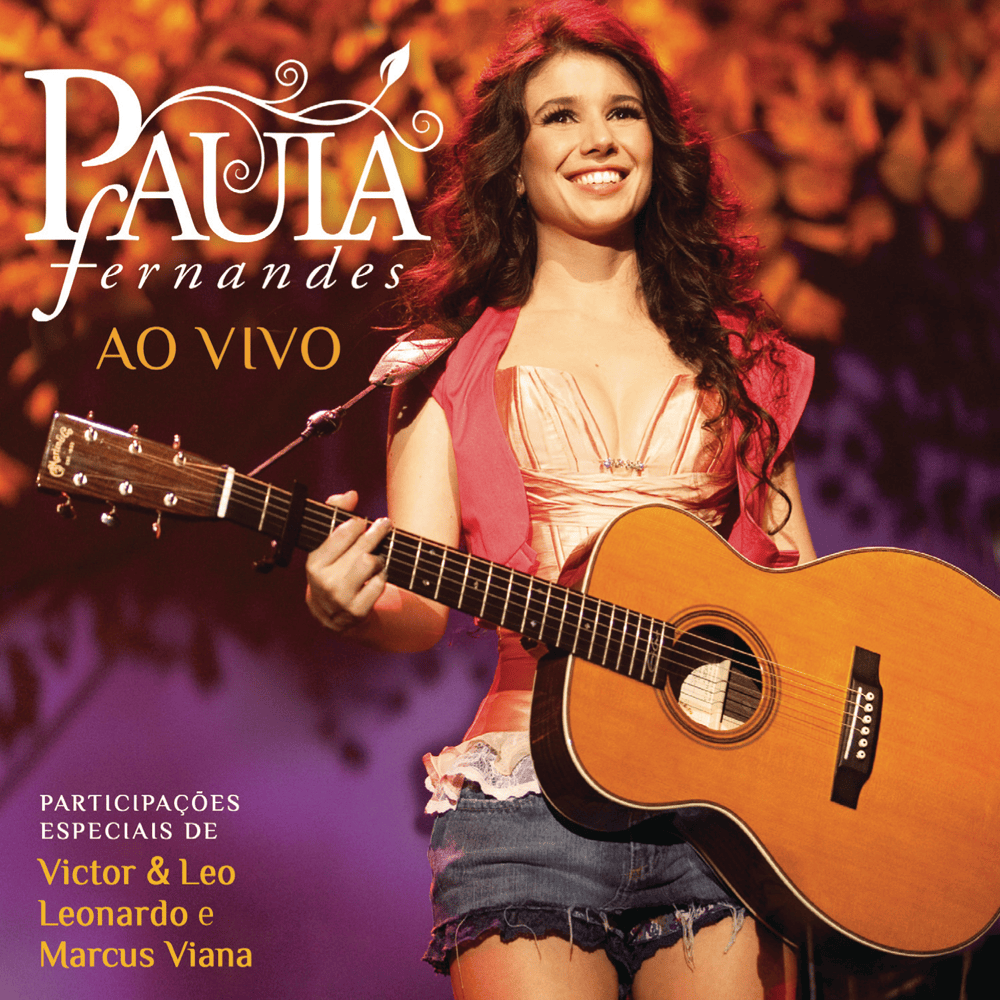
Paula Fernandes' "Seio de Minas" is less a song and more a vibrant declaration of identity, a sonic cartography of self rooted in the Brazilian state of Minas Gerais. The lyrics eschew romantic entanglements, turning inward to explore a profound connection to place. This isn't merely about geography; it's about being forged in the crucible of a specific cultural and geological landscape. Fernandes positions herself as a daughter of the mountains, a product of the "estradas reais" (royal roads), suggesting a lineage intertwined with the history and evolution of the region. The repeated allusions to mining – "minério de ferro," "Minas de ouro" – aren't just descriptive; they imply that her artistic spirit, her very essence, is extracted from the earth itself, refined into something precious.
The song's power lies in its unflinching regional pride. The phrase "seio de Minas" (breast of Minas) is particularly evocative. It suggests a nurturing, maternal relationship with the land, a source of sustenance and inspiration. This isn't a detached observation; it's an assertion of belonging, a claim to an inheritance both tangible (the land, the mountains) and intangible (the melodies, the artistic spirit). The lyrics deliberately paint a portrait of a self defined by its origins. Fernandes isn't just singing about Minas Gerais; she *is* Minas Gerais, her voice a conduit for the state's history, its landscapes, and its cultural identity.
Ultimately, "Seio de Minas" transcends simple regionalism. It speaks to the universal human need to connect with something larger than oneself, to find meaning and purpose in the places we call home. The transformation of the self into a "diamante" suggests resilience and beauty born from the earth's pressures, a metaphor that resonates far beyond the borders of Minas Gerais. It's a powerful statement about the relationship between identity and environment, about how our origins shape who we become and the art we create.
 View Artist