Song Meaning
Paula Fernandes' "Passarela do Amor" operates as a concentrated dose of romantic devotion, a testament to finding one's missing piece. The lyrics eschew complex narratives for a direct, almost devotional declaration of love. It's a love song stripped down to its core elements: longing, admiration, and a sense of completion. The initial verses establish this tone through a series of metaphors – a piece of heaven, a bee in honey, a shooting star – all converging to represent the singer's profound connection with their beloved. These aren't just compliments; they are integral parts of the singer's identity, intertwined with the object of their affection. The repeated affirmation, "Sou eu / Assim sou eu," underscores this merging of selves. The lyrics don't delve into the complexities or potential pitfalls of relationships. Instead, they maintain an unwavering focus on the idealized image of love as a source of pure joy and fulfillment. Phrases like "coisa de Deus" (thing of God) elevate the relationship to a sacred level, suggesting a divinely ordained connection.
The chorus, with its imagery of a "passarela do amor" (catwalk of love), presents a stage where the beloved is the sole focus of attention. This "catwalk" isn't about superficial beauty, but rather the singular, captivating presence of the loved one. The singer is "enfeitiçado" (enchanted) and "louco de paixão" (mad with passion), struck by Cupid's arrow. This evokes a sense of surrender to the overwhelming power of love. The use of "flecha felina" (feline arrow) adds a layer of subtle intensity, suggesting a passionate, almost primal attraction. This isn't a tame affection; it's a wild, instinctive pull. The lyrics consistently reinforce the idea of the beloved as the missing element, the key to unlocking a paradise of pleasure.
Ultimately, "Passarela do Amor" functions as an ode to the transformative power of love. It acknowledges that profound connection that makes life feel complete. It's not about the struggles or compromises inherent in relationships. Instead, it's a celebration of the initial spark, the intoxicating feeling of finding someone who feels like destiny. The final lines, expressing a desire to "renascer de te beijar" (be reborn from kissing you), encapsulate this theme of renewal and rejuvenation through love. The song's meaning resides in its simplicity: a pure, unadulterated expression of romantic adoration.
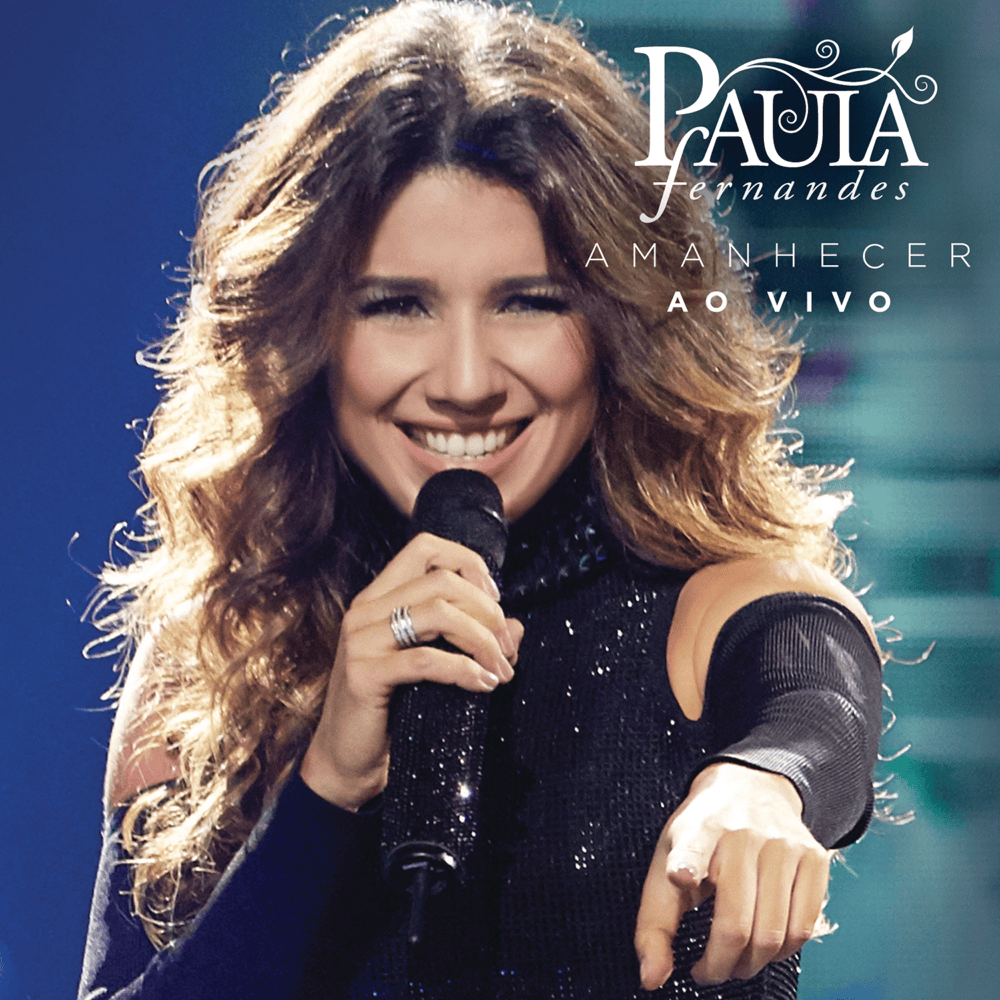
 View Artist