Song Meaning
Paula Cole's "O Nome de Jesus (The Name Of Our God)" isn't explicitly a hymn, but it pulses with the same devotional intensity found in gospel and spirituals. The core of the song meaning wrestles with the boundless, often unspoken, nature of maternal love. It’s a quiet, internal monologue addressed to a child, a "sweet, sweet, little man," who remains blissfully unaware of the profound impact they have on their mother's being. The image of the child "on the lake, on the boat, on your mind" suggests a serene, almost dreamlike connection, a constant presence that permeates the mother's thoughts.
The repeated refrain, "Forever in me / You will never know," is the crux of the song's emotional weight. It speaks to the inherent asymmetry of the mother-child bond. The mother carries the child within her, both physically and emotionally, in a way the child can never fully comprehend. This isn't presented as a lament, but rather as a statement of fact, a quiet acceptance of the immeasurable depth of her own feelings. The line "Deepest and newest of blood in me" underscores the visceral, life-altering nature of motherhood, a transformation that runs deeper than words can express.
As the song progresses, the perspective shifts slightly, acknowledging the child's growth into womanhood. "How deep a mother's love / Watching her babe turn to woman" encapsulates the bittersweet experience of witnessing a child's journey towards independence. There’s a sense of both pride and perhaps a tinge of melancholy, knowing that the intense intimacy of early childhood will inevitably evolve. The final repetition of "Forever in me / You will never know" reinforces the enduring, unconditional nature of this love, a silent promise that transcends time and understanding. It's a love that watches "from afar," allowing the child to "walk easily," secure in the knowledge of an unwavering, though often unseen, devotion.
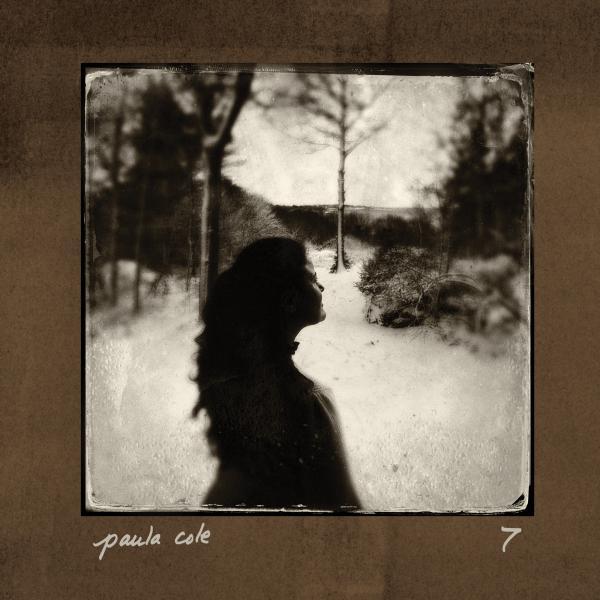
 View Artist