Song Meaning
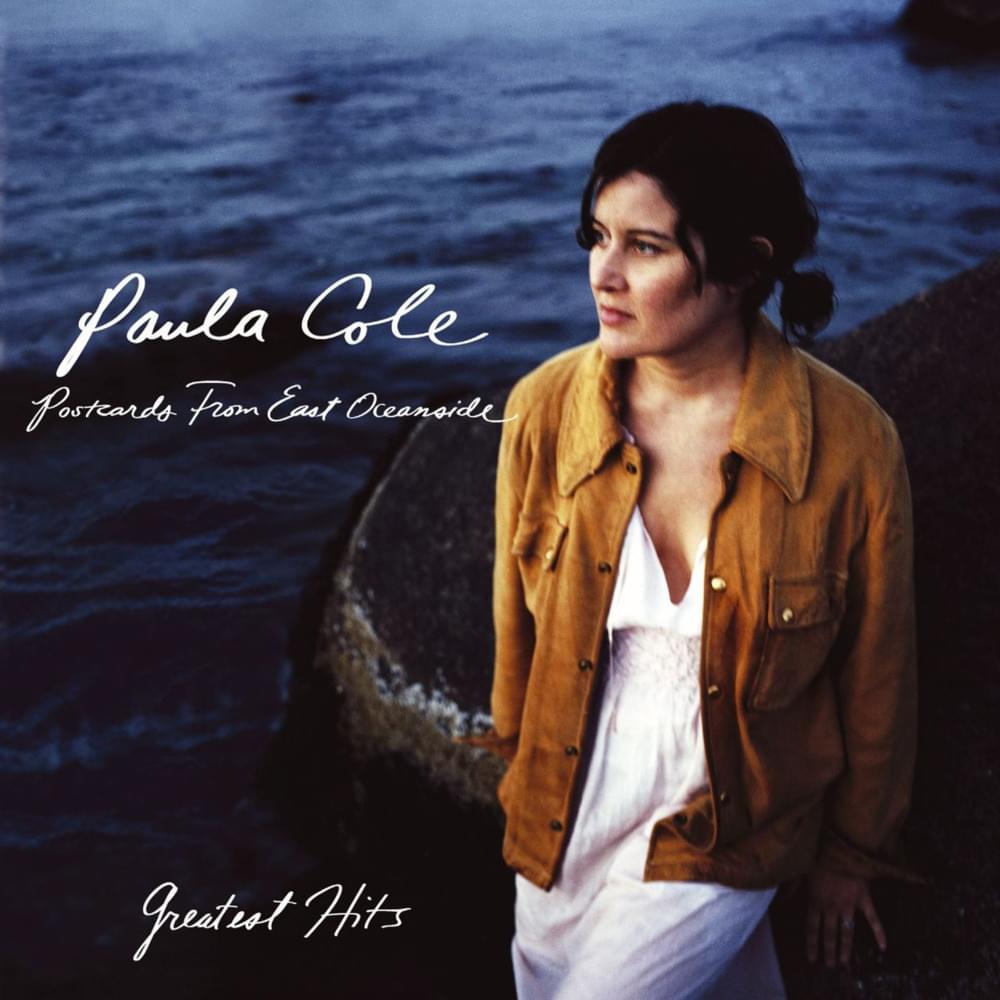
Paula Cole's "Postcards from East Oceanside" isn't just a sonic snapshot; it's a heat-soaked memory box, meticulously curated and delivered with a wistful sigh. The opening verses plunge us directly into a languid Labor Day scene, all melting popsicles and cicada drones. But beneath the surface of barbecued chicken and seaside concerts lurks a profound yearning, a desire for escape embodied in the repeated plea: "When will it snow?" This isn't a literal question about meteorology; it's a psychological yearning for change, for a disruption of the present, for an emotional cooling after a long, sweltering summer. The pennies stuck to a sweaty face suggest a child's game, but also a clinging to fleeting moments, an attempt to freeze time even as it slips away.
The bridge is where the song truly dives inward. Cole sings, "God only knows how free I can feel tonight," hinting at a constrained existence, a longing for liberation found only in the depths of her own psyche. The imagery of submersion – "under the water I go, I touch the ocean floor" – speaks to a descent into the subconscious, a search for solace and understanding within. The lines "Nobody knows what I know, Nobody knows what I'm feeling" underscore the isolating nature of this internal journey. It's a private world, accessible only to the singer, a space where the longing for snow transforms from a simple desire into a potent symbol of emotional and spiritual renewal.
Ultimately, "Postcards from East Oceanside" is a masterclass in subtle songwriting. Paula Cole uses the deceptively simple imagery of a summer day to explore complex themes of memory, longing, and the search for inner peace. The song's title itself suggests a carefully crafted facade, a filtered view of reality sent out to the world, while the true emotions remain hidden beneath the surface, simmering with the unspoken question: "When will it snow?" The song meaning resides in this very tension between outward appearance and inward yearning.
 View Artist