Song Meaning
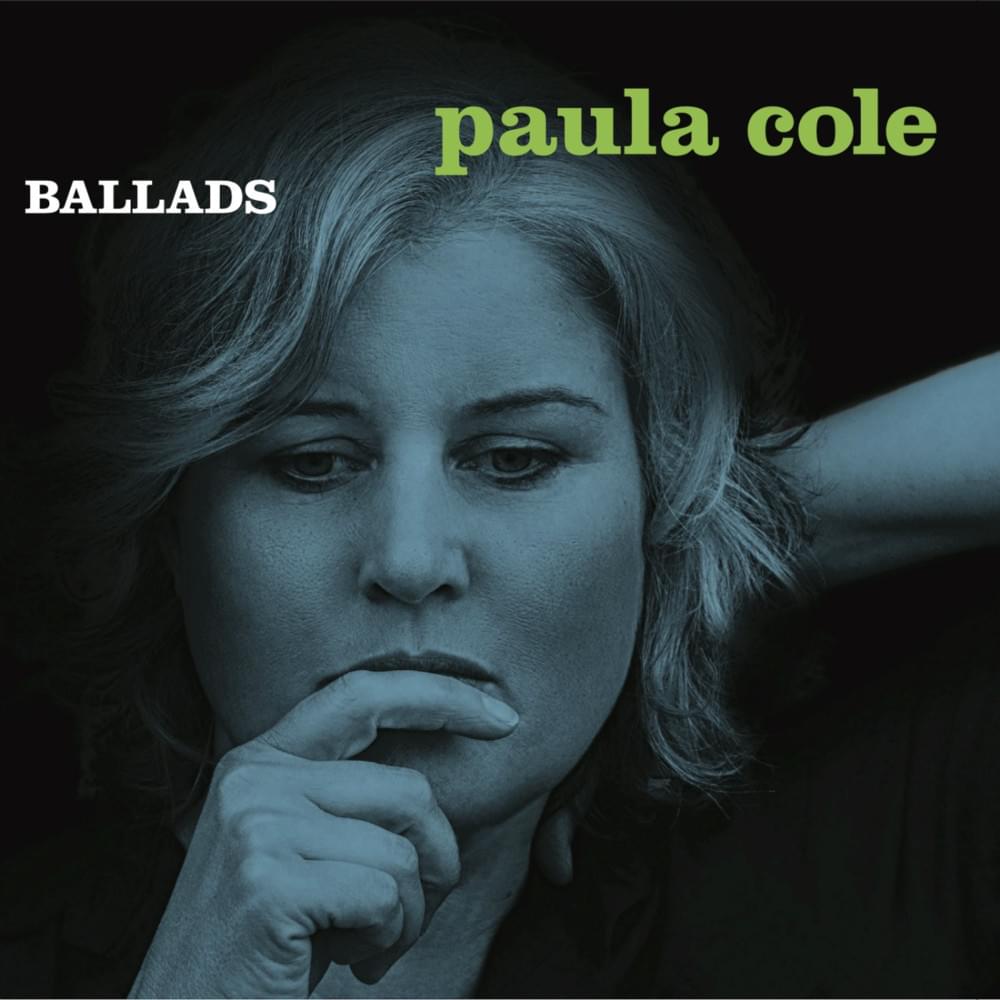
Paula Cole's rendition of "Blue Moon" isn't just a cover; it's a psychological portrait of longing and the sudden, almost surreal arrival of love. The lyrics, simple yet evocative, paint a picture of a solitary figure, stripped bare of hope and affection. The 'blue moon' itself acts as a silent witness, a celestial confidante to the singer's vulnerability. It's a clever personification, imbuing the moon with an almost empathetic quality as it observes the protagonist's isolation. The genius of the song meaning lies in its ability to capture that universal feeling of yearning. Cole isn't just singing about loneliness; she's embodying it. She's giving voice to the quiet desperation that precedes a transformative connection. The repetition of 'without' emphasizes the void, making the subsequent arrival of love all the more impactful. This is not simply about finding someone, but about being found, rescued from a state of emotional destitution.
The bridge marks the turning point, a moment of almost divine intervention. 'Suddenly appeared before me / The only one my arms will hold' suggests a love that feels predestined, fated. The whispered plea, 'Please adore me,' adds a layer of vulnerability to this newfound connection. It acknowledges the inherent risk in opening oneself up to love, the fear of rejection that lingers even in moments of profound connection. And then comes the most striking image: 'when I looked to the moon, it turned to gold.' This isn't just a visual metaphor; it's a symbolic representation of inner transformation. The blue moon, once a symbol of melancholy, now radiates with the warmth and promise of love. It signifies a shift in perspective, a newfound optimism that colors the entire world.
The final verse circles back to the initial state of loneliness, but with a crucial difference. 'Now I'm no longer alone / Without a dream in my heart / Without a love of my own.' The repetition serves as a powerful affirmation. The singer has been reborn, not just with a partner, but with a renewed sense of purpose and self-worth. The 'ooh' outro functions as an emotive sigh, a quiet expression of contentment and gratitude. In essence, Paula Cole transforms "Blue Moon" into a testament to the power of hope and the transformative potential of love. It's a reminder that even in the darkest of times, the possibility of connection remains, waiting to illuminate our lives like a golden moon.
 View Artist