Song Meaning
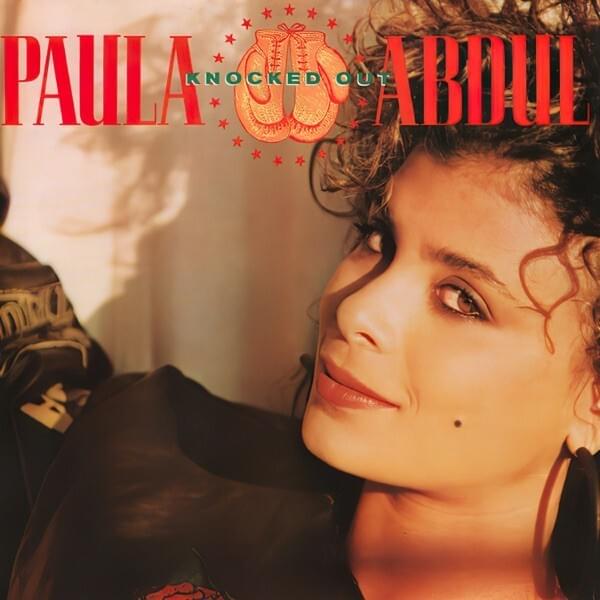
Paula Abdul's "Knocked Out (Instrumental)" presents a curious case study in pop minimalism. Stripped bare of Abdul's vocals, the song's underlying tension and rhythmic drive become the focal point, revealing a subtext often overshadowed by her effervescent persona. The intro, a disembodied voice whispering about being watched, immediately establishes a theme of observation and self-awareness. It's a peek into the anxieties of performance, the feeling of being perpetually under scrutiny, a sentiment undoubtedly familiar to Abdul during her meteoric rise. This sense of being 'looked at' transforms the instrumental sections into a soundtrack for that feeling – the nervous energy, the self-conscious adjustments, the silent dialogue with an unseen audience.
The absence of traditional lyrics forces the listener to confront the song's architecture. The beat, sharp and insistent, mimics the racing pulse of someone caught in the spotlight. The synth melodies, while catchy, carry a subtle undercurrent of unease, hinting at the pressures and expectations that come with fame. It's a clever inversion: the very elements designed to create a danceable, carefree vibe are subtly weaponized to express the vulnerability beneath the surface. One might even interpret the repeated, almost robotic, phrase, "Always looking at me," as a commentary on the dehumanizing aspect of celebrity, where the individual is reduced to an object of constant surveillance.
The brief outro, a simple "Hi," "Hello there," serves as a jarring return to reality. It's a fleeting moment of connection, a tentative acknowledgment of the audience after a period of intense, internal focus. The sparseness of these vocal fragments highlights the artificiality of the performance, the carefully constructed image that separates the artist from the person. Ultimately, "Knocked Out (Instrumental)" becomes a poignant reflection on the price of fame, the constant awareness of being watched, and the struggle to maintain a sense of self in the face of relentless public attention. It’s a sonic exploration of the psychological landscape behind the perfectly choreographed moves and infectious pop hooks.
 View Artist