Plastic Kill
Song Meaning
The lyrics for "Plastic Kill" are notably sparse, presenting an instrumental piece without any vocalizations. This absence of words forces the listener to construct meaning solely from the sonic landscape. The title itself, "Plastic Kill," offers a stark juxtaposition: "plastic" suggesting artificiality, disposability, or perhaps a manufactured threat, while "kill" implies finality and destruction. This pairing creates an immediate tension, hinting at a theme of artificial destruction or a critique of something fake that has devastating consequences. Without lyrical content, the emotional weight of "Plastic Kill" must be carried entirely by the music. The title suggests a potential narrative or emotional arc that the instrumental might evoke. Is it a commentary on modern consumerism, where disposable goods lead to an environmental or societal "kill"? Or does it point to a more abstract, perhaps digital, form of annihilation, where simulated realities or manufactured conflicts bring about a real end? The effectiveness of such a piece relies heavily on the composer's ability to convey complex ideas and emotions through sound alone. The title acts as a prompt, a seed of interpretation planted in the listener's mind. The "plastic" element might translate to synths, electronic textures, or repetitive, sterile motifs, while the "kill" could be represented by sudden dynamic shifts, dissonant chords, or a crushing, overwhelming sonic force. The ambiguity is the point, inviting a personal and varied response. Ultimately, "Plastic Kill" functions as an open-ended invitation to contemplate the destructive potential inherent in artificiality. The lack of explicit narrative empowers the listener to project their own anxieties and interpretations onto the sound. It’s a sonic Rorschach test, where the title provides the initial, provocative frame for whatever emotional or conceptual landscape the music unfolds.
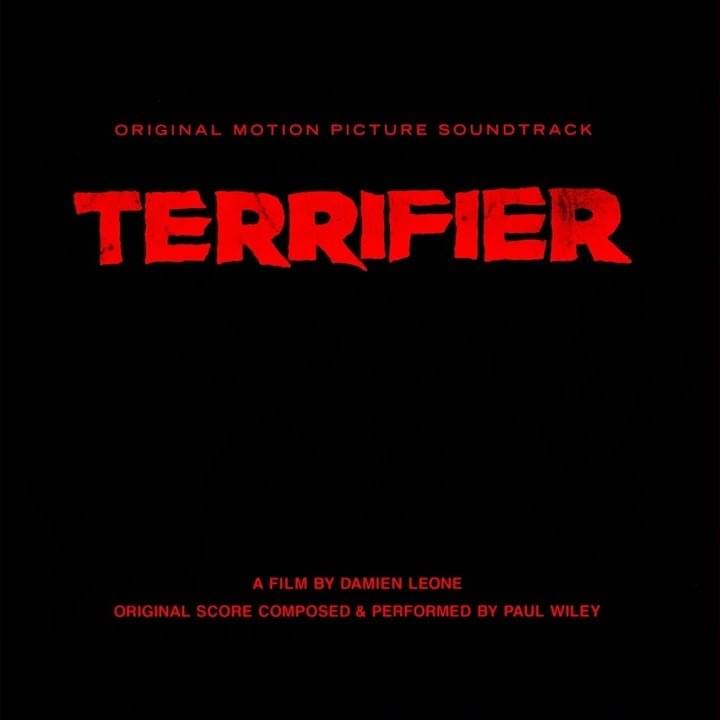
 View Artist
Lyrics
[Instrumental]
Rate this song
0/5.0 - 0 Ratings
Loading comments...
Credits
- Writers
- Paul Wiley