Song Meaning
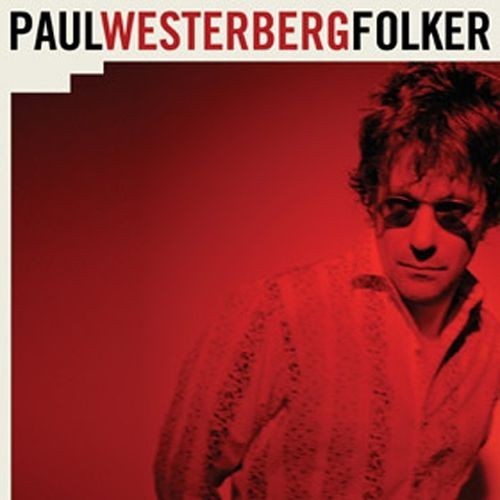
Paul Westerberg's "Folk Star" isn't a celebration of acoustic authenticity; it's a barbed critique, dripping with cynicism about artistic compromise and perhaps, darker personal failings. The song skewers a figure who has seemingly abandoned genuine expression for the trappings of fame, a transformation encapsulated in the repeated line, "You used to be a folker, 'til you went and tried to choke her." This jarring line, seemingly out of place, hints at a profound moral failing that taints the artist's entire persona. It suggests a fall from grace far beyond mere artistic sellout, implying an act of violence or betrayal that forever alters the perception of this 'folk star.'
The lyrics paint a picture of an artist detached from sincerity. Westerberg observes, "You don't sing for children or their parents… You sing for yourself." While artistic autonomy isn't inherently negative, here it's presented as a symptom of self-absorption, a lack of connection to anything beyond personal gain. The absence of leather and indifference to red carpets initially suggest a rejection of superficiality, but this is quickly undermined by the "plastic red guitar" imagery. This symbol represents a hollow imitation of authenticity, a manufactured image designed to appeal to a mass audience while lacking genuine substance. The hundred mandolins that cannot hide the man within highlight the futility of masking one's true self, especially when that self is deeply flawed.
The song's ending, with its mention of birds leaving across the evening sky, adds a layer of melancholic reflection. Are these birds abandoning a polluted environment, or are they simply following their natural instincts? This ambiguity mirrors the central question of the song: is the 'folk star' a victim of circumstance, forced to compromise for survival, or is he a fundamentally flawed individual whose actions have led to his isolation? Westerberg doesn't offer easy answers. The concluding lines, "I'm all right / I'm a folk star now," delivered with a possible sneer, suggest a reluctant acceptance of this compromised state, a sardonic embrace of the very thing he critiques. The song meaning, therefore, resides in this tension between judgment and reluctant identification, a complex portrait of an artist grappling with the compromises of success and the weight of his own actions.
 View Artist