Song Meaning
Paul Rodgers' "Walk On By" isn't a grandstanding lament, but a raw, almost painfully polite request for emotional space. The song meaning hinges on the awkward dance of grief and pride. It's the sonic equivalent of spotting an ex across a crowded room and desperately hoping they don't notice the tremor in your hands. The lyrics paint a picture of someone utterly undone by a breakup, yet clinging to the last vestiges of dignity. The repeated plea, "Walk on by," isn't an invitation to indifference, but a survival strategy. It's a fragile ego's defense mechanism against complete emotional annihilation.
What elevates the song beyond a simple breakup ballad is its understanding of performative grief. The singer isn't just sad; they're acutely aware of how their sadness is perceived. There's a self-consciousness in lines like, "If I seem broken and blue," acknowledging the outward presentation of inner turmoil. This awareness layers a meta-narrative onto the song: it's not just about heartbreak, but about the performance of heartbreak in public. The request to "make believe that you don't see the tears" speaks volumes about the pressure to maintain composure, even when one's world is crumbling.
The insistent repetition of "Walk On By" underscores the desperation inherent in the situation. It's not a casual suggestion, but a mantra, a desperate attempt to control the narrative and, perhaps, even convince themselves that the pain is manageable. The added "(don't stop)" injects a nervous energy into the plea, as if the singer fears even a moment's pause will shatter their carefully constructed facade. Rodgers captures that peculiar blend of vulnerability and defiance that defines the aftermath of a painful separation, making "Walk On By" a resonant exploration of heartbreak's hidden complexities.
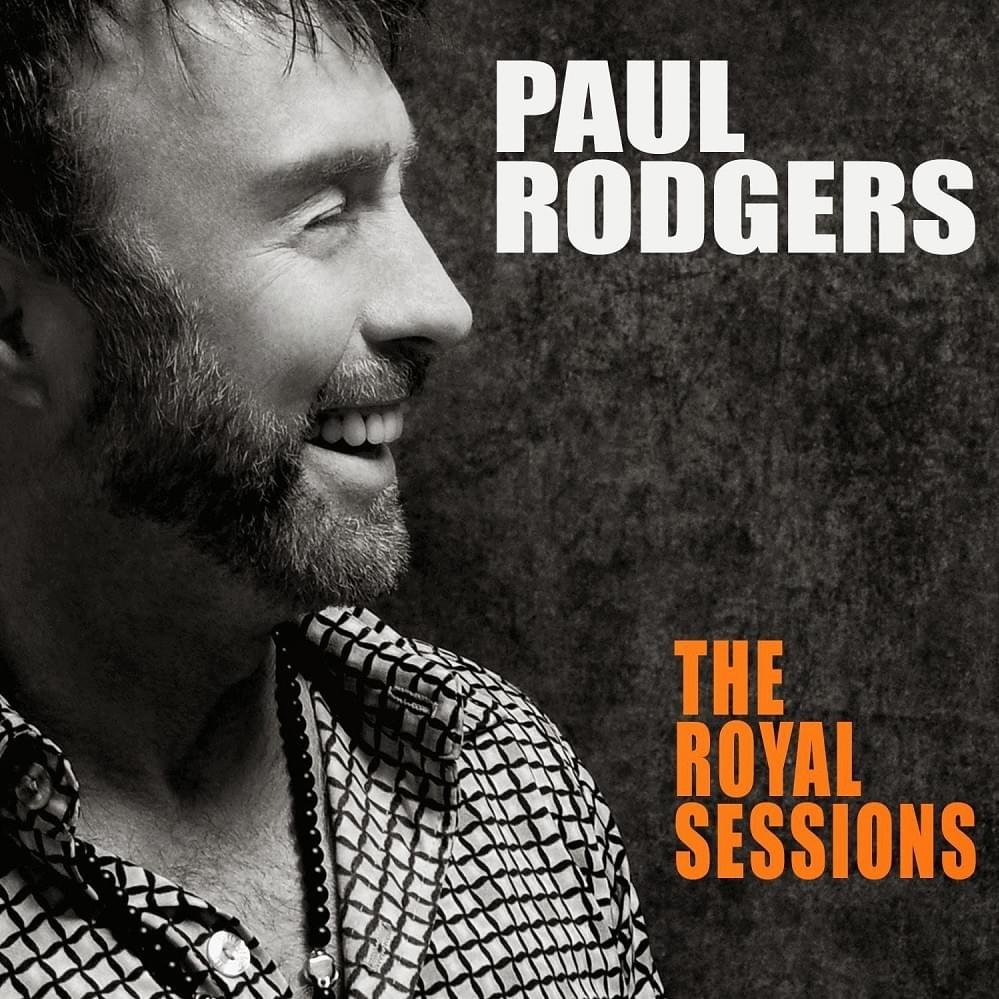
 View Artist