Song Meaning
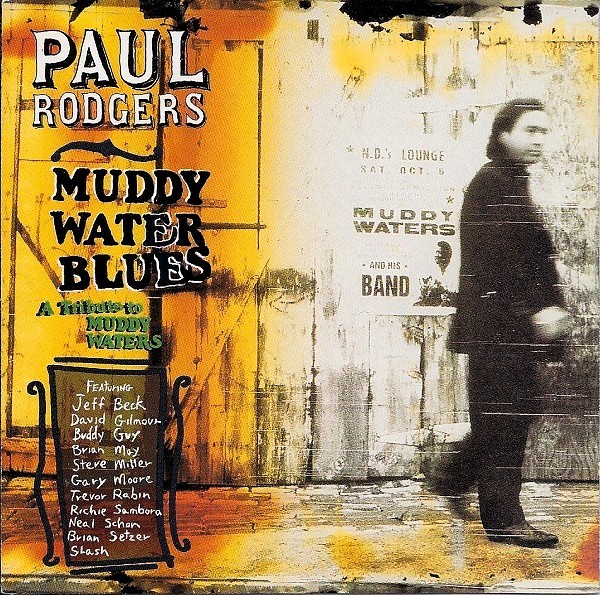
Paul Rodgers' rendition of "Standing Around Crying" isn't just a blues lament; it's a raw, almost primal scream of conflicted desire. The song meaning hinges on the push and pull between Rodgers' (or rather, the narrator's) avowed lack of love and his obsessive preoccupation. He claims, "I know I don't love you, little girl," yet she perpetually occupies his thoughts. This internal battle is the core of the song's psychological weight. It speaks to the human tendency to crave what is, perhaps, toxic or unattainable. The blues idiom becomes a vehicle for exploring a deeper, more unsettling truth about attraction and self-deception. The opening reference to "Morganfield" is a nod to Muddy Waters, and therefore to the blues tradition itself.
The fear of violence, "You got so many men/That I'm afraid you may get me killed," adds another layer of complexity. It suggests the woman is not only emotionally unavailable but also potentially dangerous to the singer's well-being. This isn't just a simple case of unrequited love; it's a potentially self-destructive infatuation. He acknowledges her changed nature, lamenting, "Oh baby, you ain't nothin' like you used to be." The earlier idealized image of her as "sweet as an apple on a tree" is shattered, replaced by a present-day reality that threatens him. This juxtaposition highlights the disillusionment and the stark contrast between memory and reality.
Ultimately, "Standing Around Crying," in Rodgers' capable hands, transcends the typical blues trope of heartbreak. It becomes an exploration of the darker corners of human desire, where obsession and fear intertwine. It's a song about the dangerous allure of a love that's both unwanted and irresistible, a paradox that resonates with a visceral intensity. The raw emotion in Rodgers' voice, combined with the stark simplicity of the lyrics, creates a powerful and unsettling portrait of a man caught in a web of his own making.